
The ketogenic diet focuses on high fat, moderate protein, and very low carbs to help your body enter ketosis, where fat becomes the main energy source. Vegetables play an important role but must be chosen carefully to keep carb intake between 10 and 50 grams of net carbs daily. Nonstarchy vegetables like leafy greens (spinach, kale), cruciferous types (broccoli, cauliflower), and others such as zucchini and mushrooms are great keto-friendly options because they offer vitamins, minerals, and fiber while staying low in carbs. On the other hand, starchy veggies like potatoes, corn, carrots, and peas should be avoided since they can disrupt ketosis by raising blood sugar levels. Portion control is key for success in maintaining this balance.
Table of Contents
- What Is the Keto Diet and How Vegetables Fit In
- Top Keto Friendly Vegetables to Include in 2025
- Vegetables to Limit or Avoid on Keto
- Understanding Net Carbs and Portion Control
- Balancing Keto Vegetables with Fats and Protein
- Best Ways to Add Vegetables to Your Keto Meals
- Special Cases: Tomatoes, Berries, and Other Exceptions
- Summary of Keto Vegetable Choices for 2025
- How to Monitor Your Carb Intake with Vegetables
- Frequently Asked Questions
10.1. Which vegetables are best for keeping my carb intake low on a keto diet?
10.2. Are there any common vegetables people often mistake as keto-friendly but should avoid?
10.3. How can I tell if a vegetable fits into a keto diet besides just looking at carbs?
10.4. Is it okay to eat vegetables raw, or should I cook them to better fit my keto lifestyle?
10.5. Can I eat unlimited amounts of keto-friendly vegetables, or should I watch my portions?
What Is the Keto Diet and How Vegetables Fit In
The keto diet is a low-carb, high-fat eating plan designed to shift your body into ketosis, a state where fat becomes the main source of energy instead of carbs. Typically, people on keto aim to keep their daily net carbs between 10 and 50 grams, where net carbs are calculated by subtracting fiber from total carbohydrates since fiber doesn’t raise blood sugar.
Vegetables play an important role in this diet because they supply vital nutrients and fiber that support overall health, but not all vegetables fit into keto equally well. Nonstarchy vegetables, which usually have around 8 grams or fewer net carbs per cup, are generally safe choices because they won’t push you out of ketosis. Most keto-friendly vegetables grow above ground and are low in starch, such as leafy greens, broccoli, and zucchini. In contrast, starchy vegetables like potatoes and corn contain more digestible carbs, which can quickly add up and interfere with maintaining ketosis. Choosing the right types and portions of vegetables ensures you get enough vitamins, minerals, antioxidants, and fiber without exceeding your carb limit, making them a crucial part of a balanced keto diet.
Top Keto Friendly Vegetables to Include in 2025
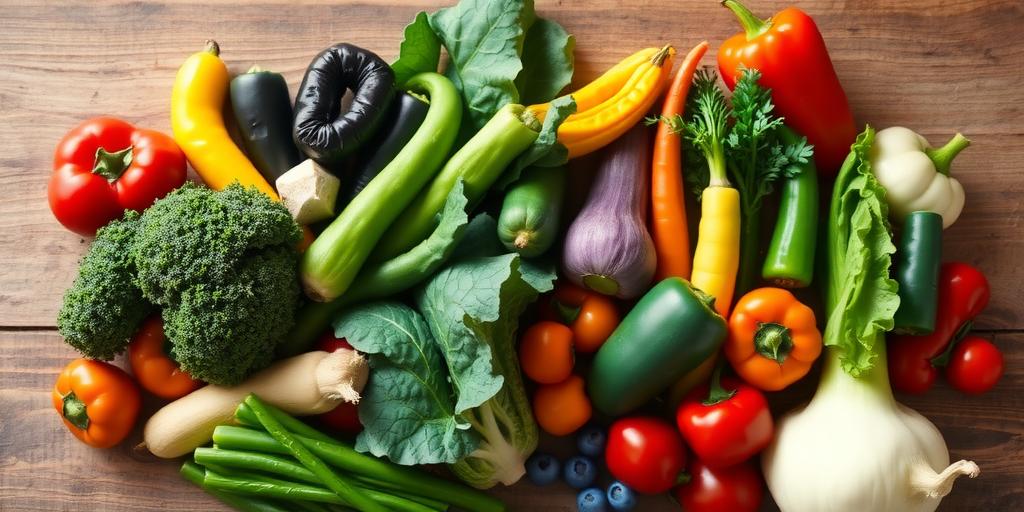
When building a keto-friendly plate in 2025, focusing on low-carb, nutrient-rich vegetables is key to staying in ketosis while meeting your vitamin and mineral needs. Leafy greens like spinach, kale, romaine lettuce, arugula, collard greens, and Swiss chard are excellent choices, with net carbs typically between 3 to 4.5 grams per 100 grams. These greens are versatile for salads, sautés, or smoothies and pack antioxidants and fiber without pushing your carb limits.
Cruciferous vegetables such as broccoli, cauliflower, cabbage, and bok choy also fit well into keto plans, usually containing under 7 grams of net carbs per 100 grams. Brussels sprouts, though slightly higher in carbs at about 8.9 grams, can be enjoyed in moderation. Other low-carb options that add variety and texture include zucchini, mushrooms, bell peppers, asparagus, cucumbers, radishes, and eggplant, all generally below 6 grams net carbs per 100 grams. Green beans and artichoke hearts are keto-acceptable but should be portioned carefully since green beans are closer to the upper carb limit.
To enhance flavor and nutrition with minimal carbs, consider adding alfalfa sprouts, green onions, fennel, and small amounts of garlic or shallots. Olives, both green and black, are unique keto-friendly options that provide healthy fats alongside their low carb count, making them perfect for snacking or garnishing dishes. Including a wide range of these vegetables ensures you get a balanced intake of vitamins, minerals, antioxidants, and fiber, all while supporting ketosis. Using them as the base for meals, whether in salads, roasted vegetable mixes, or stir-fries, helps maintain carb control and keeps your keto diet both satisfying and nutrient-dense.
| Vegetable | Type/Category | Net Carbs (g) per 100g | Notes |
|---|---|---|---|
| Spinach | Leafy Greens | 3.6 | Keto-friendly, nutrient-dense |
| Kale | Leafy Greens | 4.4 | Rich in vitamins and minerals |
| Romaine Lettuce | Leafy Greens | 4 | Low-carb salad base |
| Arugula | Leafy Greens | 3.6 | Adds peppery flavor |
| Broccoli | Cruciferous | 6.3 | Nutrient-dense, low-carb |
| Cauliflower | Cruciferous | 5 | Popular rice substitute |
| Cabbage | Cruciferous | 6.4 | Versatile in meals |
| Brussels Sprouts | Cruciferous | 8.9 | Eat in moderation due to higher carbs |
| Bok Choy | Cruciferous | ~2 | Low-carb leafy vegetable |
| Zucchini | Other Low-Carb | 3.1 | Used in noodles, stir-fries |
| Mushrooms (Baby Bella, White) | Other Low-Carb | 3.3 | Adds umami flavor |
| Bell Peppers | Other Low-Carb | 4.8 | Adds sweetness and color |
| Asparagus | Other Low-Carb | 3.9 | Rich in antioxidants |
| Cucumbers | Other Low-Carb | 3.6 | Hydrating and low-carb |
| Radishes | Other Low-Carb | 3.4 | Crunchy, keto-friendly snack |
| Eggplant | Other Low-Carb | 5.9 | Versatile in cooking |
| Green Beans | Other Low-Carb | 7.4 | Near higher carb limit, eat in moderation |
| Artichoke Hearts | Other Low-Carb | ~4.7 | High fiber content |
| Alfalfa Sprouts | Other Low-Carb | ~1 | Low-carb flavor addition |
| Green Onions / Scallions | Other Low-Carb | ~7 | Use sparingly |
| Shallots and Onions | Other Low-Carb | ~7 | Use in small amounts |
| Garlic | Other Low-Carb | ~1 | Small amounts for flavor |
| Fennel | Other Low-Carb | 4.9 | Adds flavor and fiber |
| Jicama | Other Low-Carb | 4.9 | Consume cautiously |
| Olives (Green and Black) | Other Low-Carb | 3 | Contains healthy fats, keto-friendly |
Vegetables to Limit or Avoid on Keto
On a ketogenic diet, it’s important to limit or avoid vegetables that are high in net carbs because they can quickly raise blood sugar and insulin levels, making it harder to stay in ketosis. Root vegetables like potatoes, sweet potatoes, yams, carrots, parsnips, and beets are common culprits, each containing well over 9 grams of net carbs per 100 grams. For example, potatoes have about 17.8 grams of net carbs, which is far too high for typical keto limits.
Corn is another vegetable to skip, with around 23.5 grams of net carbs per 100 grams. Winter squash varieties, such as pumpkin and butternut squash, also contain a significant amount of carbs and should be avoided or strictly limited. Legumes like lentils, chickpeas, and black beans carry high carbohydrate loads and generally don’t fit into keto meal plans.
Peas, with approximately 14.4 grams of net carbs per 100 grams, are also poor choices for keto. Jicama sits in a gray zone: it can be eaten cautiously in small amounts, but larger portions might disrupt ketosis. While some starchy vegetables may be included occasionally in very small, carefully tracked servings, consistently avoiding these high-carb vegetables makes it simpler to maintain stable ketone levels and avoid blood sugar spikes. Staying clear of these carb-heavy veggies helps your body stay focused on burning fat instead of carbs for fuel.
- Root vegetables like potatoes, sweet potatoes, yams, carrots, parsnips, and beets have high net carbs, typically above 9 grams per 100 grams.
- Corn contains about 23.5 grams of net carbs per 100 grams and is not keto-friendly.
- Winter squash varieties such as pumpkin and butternut have high carb content and should be avoided or strictly limited.
- Legumes like lentils, chickpeas, and black beans contain significant carbohydrates and are generally not suitable for keto.
- Peas have about 14.4 grams of net carbs per 100 grams, making them a poor choice for keto.
- Jicama may be consumed cautiously due to moderate carb content depending on portion size.
- High-carb vegetables raise blood sugar and insulin, working against ketosis.
- Avoiding these vegetables helps maintain stable ketone levels.
- Some starchy vegetables can be used occasionally in very small amounts if carefully tracked.
- Consistently avoiding or limiting these high-carb vegetables simplifies staying in ketosis.
Understanding Net Carbs and Portion Control
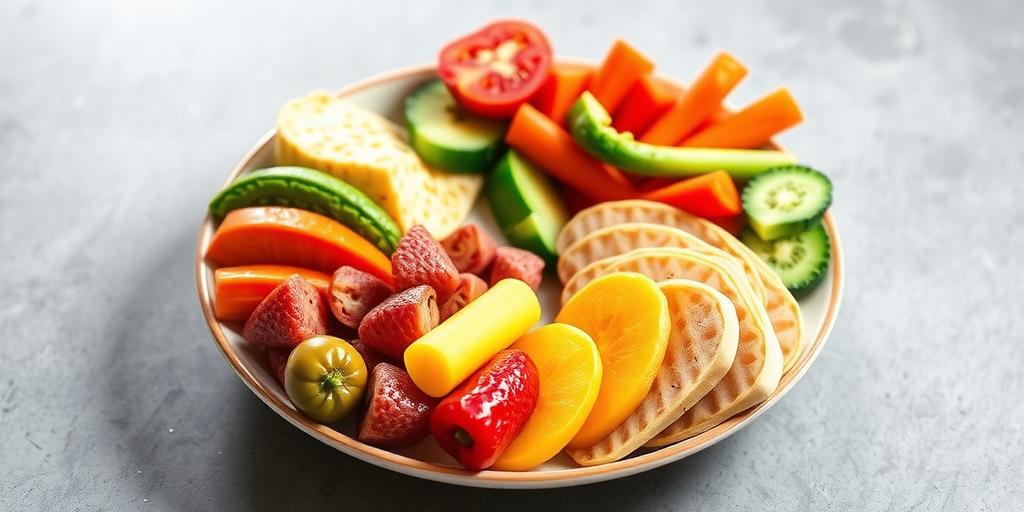
Net carbs are the total carbohydrates in a food minus the fiber content, since fiber does not raise blood sugar or interfere with ketosis. Most people following a keto diet aim to keep their daily net carb intake between 20 and 40 grams, though individual tolerance can vary. Even vegetables that are low in carbs can add up quickly if you eat large portions, so portion control is essential to stay within your carb limit. Choosing vegetables with less than 5 grams of net carbs per 100 grams, such as spinach or zucchini, allows more flexibility in meal planning.
Tracking your carb intake from vegetables by measuring servings and using nutrition labels helps maintain ketosis more accurately. Including fiber-rich vegetables not only lowers your net carbs but also supports healthy digestion. For higher-carb veggies like Brussels sprouts, using smaller portions keeps your carb count in check without missing out on their nutrients. Finally, balancing your carb intake with adequate fats and moderate protein ensures you meet the macronutrient goals of the keto diet while enjoying a variety of vegetables.
Balancing Keto Vegetables with Fats and Protein
On a ketogenic diet, vegetables play a vital role by providing fiber and essential micronutrients, but they supply very little fat and protein. Since keto relies on high fat intake as the primary energy source, it’s important to pair low-carb vegetables with healthy fats like avocado, olive oil, coconut oil, and nuts. This combination helps maintain steady energy levels and promotes satiety throughout the day. Protein should be consumed in moderate amounts because excess protein can convert to glucose through gluconeogenesis, potentially disrupting ketosis.
For example, a salad made with spinach, avocado, and olive oil offers nutrients and fiber from the greens, along with healthy fats that support ketone production and keep you full. A balanced keto plate typically consists mostly of fats, a moderate portion of protein, and a controlled amount of low-carb vegetables. Adjusting the ratios of fat and protein depending on your activity level and goals is key for sustaining ketosis and optimizing performance. Fat sources not only provide energy but also supply essential fatty acids and fat-soluble vitamins, complementing the nutritional benefits of keto-friendly vegetables.
Best Ways to Add Vegetables to Your Keto Meals
To make the most of keto-friendly vegetables, start by using leafy greens and cruciferous veggies as the base for salads and side dishes. These low-carb options like spinach, kale, and broccoli add volume and nutrients without pushing your carb count too high. Swap out traditional high-carb staples like rice or pasta for cauliflower rice or zucchini noodles to keep your meals satisfying but keto-compliant. Stir-fries and omelets are great spots to include mushrooms, bell peppers, and asparagus, these add flavor, texture, and variety while staying low in carbs. For gut health, fermented vegetables such as sauerkraut or kimchi are excellent additions and bring a tangy twist to your plate.
Raw veggies like cucumber and radishes make convenient, crunchy snacks that fit perfectly into keto macros. Roasting or grilling low-carb vegetables with olive oil and herbs enhances their natural flavors without adding carbs. Vegetable purees can be used to thicken sauces, giving you rich textures without relying on flour or starch. Use green onions and garlic sparingly to boost taste without going overboard on carbs. Planning meals with a colorful mix of keto-friendly vegetables helps keep your diet interesting and nutritionally balanced. Just remember to watch portion sizes, since even low-carb vegetables can add up and affect ketosis if eaten in excess.
Special Cases: Tomatoes, Berries, and Other Exceptions
Tomatoes often cause confusion because they are technically fruits but used as vegetables in cooking. On keto, they fit well in moderate amounts due to their relatively low net carb content. For example, one medium tomato has about 4–5 grams of net carbs, so using them in salads or sauces is fine if you keep portions reasonable. Berries such as blackberries, raspberries, and strawberries are among the few fruits low enough in carbs to enjoy on keto. They provide antioxidants and fiber but should be eaten in limited portions to avoid exceeding carb limits. High-sugar fruits like bananas, apples, pears, mangoes, and grapes are best avoided because their carb content can quickly disrupt ketosis.
Avocados stand out as a keto superstar: they are low in carbs but rich in healthy fats and fiber, making them an excellent addition to any keto meal. Onions and shallots contain moderate carbs, so small amounts work well to add flavor without pushing carb intake too high. Jicama, while a root vegetable, has a lower carb content than most tubers and can be included carefully, but portion control is essential. Fermented vegetables such as sauerkraut or kimchi might have trace carbs but generally remain keto-friendly and add beneficial probiotics.
Since individual carb tolerance varies, especially depending on activity level and metabolism, testing ketone levels when introducing new vegetables can help personalize your diet. Adjusting vegetable choices based on your personal goals, keto progress, and metabolic responses ensures better long-term success on the ketogenic diet.
Summary of Keto Vegetable Choices for 2025
For a successful keto diet in 2025, focus on eating plenty of leafy greens like spinach, kale, romaine, and arugula, which are low in carbs and rich in nutrients. Cruciferous vegetables such as broccoli, cauliflower, cabbage, and bok choy are excellent choices to include regularly, while Brussels sprouts should be eaten in moderation due to their slightly higher carb content. Other keto-friendly options include zucchini, mushrooms, bell peppers, asparagus, cucumbers, radishes, eggplant, and green beans, all of which help keep net carbs low without sacrificing vitamins and fiber.
Avoid starchy root vegetables like potatoes, sweet potatoes, yams, carrots, parsnips, and beets, as well as corn, peas, winter squash, and most beans or legumes because their higher carb content can disrupt ketosis. Tomatoes and low-carb berries can be enjoyed occasionally but in controlled amounts. Remember, portion control is key since even low-carb veggies can add up and affect your daily carb limit. Pair your vegetable intake with healthy fats and moderate protein to maintain ketosis effectively. Whenever possible, choose fresh, organic, and non-GMO vegetables to ensure the best quality and nutrient density in your meals.
How to Monitor Your Carb Intake with Vegetables
Tracking your carb intake when eating vegetables on keto is key to staying in ketosis. Use a nutrition app or a food journal to record everything you eat, focusing on net carbs, which you calculate by subtracting fiber from total carbohydrates. Measuring portions accurately with cups or grams helps keep your counts precise, but if that’s not possible, visual guides like your palm or fist can give a good estimate. Always check nutrition labels or trusted food databases to understand the carb content of your vegetables, since some, like Brussels sprouts or green beans, have higher net carbs and need moderation.
Remember to account for hidden carbs in sauces or dressings, as those can add up quickly and push you over your daily limit. Testing your ketone levels using blood meters or urine strips lets you see how well your carb intake is supporting ketosis; if ketones drop, consider adjusting your veggie portions. Planning meals ahead ensures you spread your carb intake through the day rather than consuming too many at once. If you find tracking carbs or monitoring ketosis overwhelming, consulting a dietitian can provide personalized strategies and guidance to maintain your keto goals effectively.
Frequently Asked Questions
1. Which vegetables are best for keeping my carb intake low on a keto diet?
Vegetables like spinach, kale, zucchini, and broccoli are excellent choices because they have very few net carbs and are rich in fiber and nutrients, helping you stay within your keto goals.
2. Are there any common vegetables people often mistake as keto-friendly but should avoid?
Yes, starchy vegetables like potatoes, corn, and carrots might seem healthy but usually contain too many carbs for keto, so it’s better to limit or avoid them to maintain ketosis.
3. How can I tell if a vegetable fits into a keto diet besides just looking at carbs?
Beyond carbs, consider the vegetable’s fiber content, glycemic index, and portion size. High fiber lowers net carbs, and low glycemic index veggies help avoid blood sugar spikes, both important for staying keto compliant.
4. Is it okay to eat vegetables raw, or should I cook them to better fit my keto lifestyle?
You can enjoy both raw and cooked veggies on keto. Cooking can sometimes reduce carbs slightly and improve nutrient absorption, but raw vegetables also provide fiber and enzymes that support digestion without adding carbs.
5. Can I eat unlimited amounts of keto-friendly vegetables, or should I watch my portions?
While keto-friendly vegetables are low in carbs, eating very large portions can still add up and affect ketosis. It’s best to track your intake and balance veggies with proteins and fats to maintain your diet effectively.
TL;DR The keto diet in 2025 focuses on low-carb, nonstarchy vegetables to maintain ketosis while providing essential nutrients. Eat mostly leafy greens, cruciferous veggies like broccoli and cauliflower, and other low-carb options such as zucchini and mushrooms. Avoid starchy vegetables like potatoes, corn, and carrots that can disrupt ketosis. Monitor net carbs and portion sizes carefully, balancing veggies with healthy fats and moderate protein. Tomatoes and certain berries are exceptions and can fit in moderation. Using vegetables wisely helps sustain a nutritious and effective keto lifestyle.
Leave a Reply