
What Not to Eat on a Low Carb Diet: Your Complete Guide to Avoiding Carb-Heavy Traps
Low carbohydrate diets have become very popular over the past 20 years as a potent tool to regulate body weight, blood sugar, and overall metabolic health. Whether you’re on a moderate low-carb plan (50–130 grams of carbs a day), a more restrictive ketogenic (keto) diet (less than 50 grams, often 20–30 net carbs), or something in the middle like Atkins, the basic principle remains the same: cut way back on your carbohydrate intake so your body switches over from using glucose as its main fuel to using fat and ketones.
But knowing what to eat is just half the battle. The true issue, frequently the key to success, is knowing exactly what not to consume. Not only do high-carb foods build up rapidly on your daily count, but they can also sabotage ketosis, create blood sugar spikes and crashes, spark cravings, and halt fat-burning progress. On a restrictive diet, even one seemingly innocent piece of bread or glass of fruit juice can have more carbs than you’re allowed to have in an entire day.
Here’s a detailed 2,500-word guide explaining the foods and types of foods to avoid or severely limit on a low-carb diet. Why they sabotage your goals We’ll provide you real world carb counts based on credible nutritional data We’ll expose hidden sources of carbs that trip up many individuals We’ll give you practical substitutions and techniques to make the change sustainable. Ultimately, you’ll have a clear plan for navigating shopping aisles, restaurants and social situations without derailing your progress. This is general information, not personal medical advice – speak with a healthcare expert before making any major dietary changes, especially if you have diabetes, renal difficulties or other diseases.
How Low Carb Diets Work & What Carbohydrates Do
Carbohydrates, together with protein and fat, are the three macronutrients and are the body’s preferred fast energy source. They are converted into glucose, which increases blood sugar and triggers the release of insulin. The average Western diet gets 45 to 65 percent of its calories from carbohydrates, or about 225 to 325 grams a day on a 2,000-calorie diet. Low-carb diets turn the tables instead, usually limiting intake to 60-130 grams a day (or significantly less for keto), so the body burns stored fat instead.
The most important factor is net carbohydrates (total carbs minus fiber), because fiber does not raise blood sugar levels like digestible starches and sugars do. Research-supported benefits include faster initial weight loss (typically more than low-fat diets in the near term), improved insulin sensitivity, improved blood lipids (lower triglycerides, higher HDL), and probable treatment of type 2 diabetic symptoms. But excessively restrictive programs are inappropriate for everyone and if not adequately planned can lead to short term “keto flu” (headaches, weariness) or long term dietary deficits.
To slow digestion, avoid foods that are high in refined or starchy carbs and lacking in fiber, protein or fat. These produce fast spikes in glucose, rebounds in hunger and sometimes inflammation. Let’s go through them, one category at a time.
Grains and Starches: The Big Carb-Heavy Bombs and the Foundation of Many Meals
Grains are high on virtually every list of foods to avoid on low carb. Refined bread, pasta, rice, cereals, tortillas, bagels, crackers and even the “healthy” whole-grain variants can deliver 13-80+ grams of carbs per serving with little fiber or nutrients to offset it.
Bread: A slice of white bread has roughly 13 grams of carbs (12g net); whole wheat is just slightly better at 13g (11g net). Each sandwich uses two slices, which is more than half your daily keto allowance.
Pasta: 1 cup cooked spaghetti? 46g carbohydrates (43g net). Whole-wheat variants cut off a few grams.
Rice: 100g uncooked white rice has about 80g carbohydrates, brown rice is equivalent at 77g.
Cereals & Oatmeal: Instant oats (1 cup heated) hit 28g carbs; granola (½ cup) can reach 35g with additional sweeteners.
Why not? These refined carbohydrates are digested fast, resulting in a surge in insulin and fat storage rather than fat burning. Low satiety and then over-eating. Breakfast toast, lunch sandwiches, dinner sides, they’re cultural staples, yet they crowd out nutrient-dense meats and fats.
Swaps: Cauliflower rice or mash (less than 5g net carbs a cup), zucchini noodles (zoodles), almond or coconut flour breads (homemade or verified low-carb brands), or cloud bread (eggs + cream cheese). For a crunch, consider pig rinds or cheese crisps.
Sugary foods and sweets: empty calories that ruin everything
Obvious offenders: Candy, cakes, cookies, pastries, ice cream, donuts, breakfast cereals with added sugar, chocolate bars (unless 85% cocoa or above). Candy bar or slice of cake, 50+g of carbs; ice cream (1 cup) will commonly be 30–40g.
Even “natural” sweets like honey (17g per tbsp), maple syrup (13g) or agave (16g) are sugar. A bowl of cereals for breakfast is usually 20–50 g before you add the milk.
Why turn away? Added sugars give no nutritional benefit other than immediate energy, which can trigger dopamine spikes and blood sugar roller coasters, fueling cravings. Insulin Resistance in the Long Run –
The very thing many low carbers are trying to fix
Swaps: Dark chocolate (70-85% cocoa, tiny portions, ~10g net per ounce), handmade desserts using erythritol, monk fruit or stevia, or berries with whipped cream (raspberries: 7g net per cup). Fat bombs (coconut oil + cocoa) kill sweet cravings without the crash.
Sugary drinks and juices Liquid carbs that add up quick
High-calorie carb traps include soda (12 oz: 35–40g carbs), fruit juice (apple: 42g per 12 oz; grape: 55g), sweetened teas, sports drinks, and even some vegetable juices. They have no fiber so they impact your blood stream immediately.
Alcohol consumers should avoid beer (12 oz regular: 11g+; light: 6g) and sugary mixers (cola, juice-based cocktails).
Why not pass? Liquid calories don’t create the same feeling of fullness as solid meals, leading to passive overconsumption. They also dehydrate and make keto flu symptoms worse.
Swaps Water (with lemon/cucumber or effervescent), unsweetened tea or coffee, bone broth or dry wines/hard liquors in moderation (vodka soda, under 5g). If you like beer, look for ultra-low-carb kinds or forgo it.
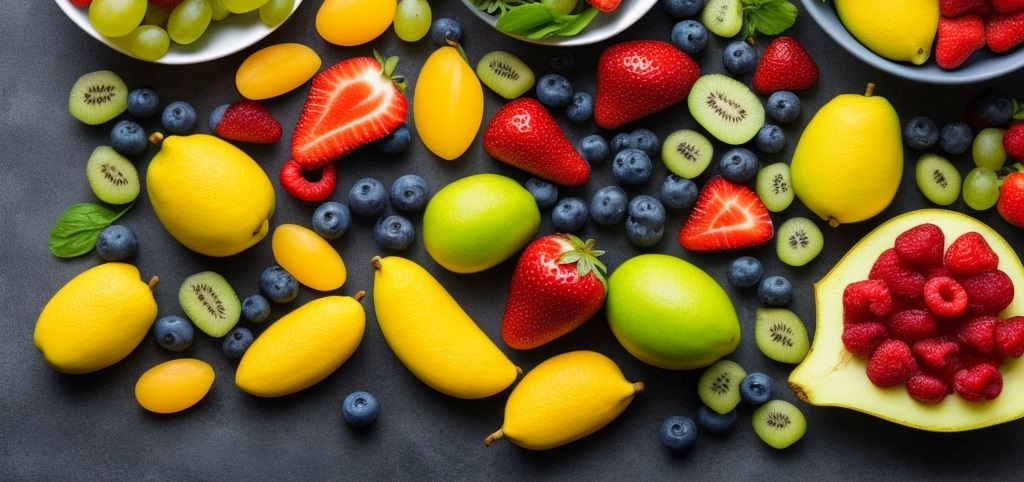
Most fruit (including dried/processed types)
But several are surprisingly high-carb: banana (27g per medium), apple (25g), grapes (1 cup: 26g+), mango, pineapple, and all dried fruits (raisins: 62g per ½ cup). Some low-sugar fruits fit in moderation. In syrup, canned? Even worse (peaches: 52g/cup).
Why not? The fructose in fruit is processed differently and in excess might tax the liver. Many people don’t know how rapidly high-glycemic foods can boost blood sugar.
Swaps: Berries (strawberries, raspberries, blackberries: 5–8g net per ½–1 cup), avocados, or small portions of tomatoes/olives. Treat yourself to higher carb fruits (nature’s candy).
Starchy Vegetables
Potatoes (37g per medium), Sweet potatoes (27g per 5″), Corn (19g per 100g cooked), Peas (25g per cup), Parsnips, Cassava, Butternut squash (11g per 100g). Dense in digestible starch.
Why would you? They act like grains in the body – fast glucose delivery with moderate fiber.
Swaps non-starchy veggies (broccoli, cauliflower, spinach, zucchini, asparagus, bell peppers, mushrooms, etc.) above ground: 2–5g net per 100g. Roast, steam or mash cauliflower instead of potatoes.
Beans, Legumes and Some Dairy
Lentils (39g per cooked cup), black beans (41g), chickpeas (45g) and kidney beans (37g) do provide protein and fiber but still net 20–30g+ carbohydrates. Milk (8 oz: 11-13g), sweetened/flavored yogurt (47g per cup) and low-fat variants hide sugars.
Why avoid (or severely limit)? But benefits, the carb load is too much for tight programs. Often they add carbs to compensate in low-fat dairy.
Swaps: Full fat plain unsweetened Greek yogurt, heavy cream, little amount of cheese or soy products. Lower carb legume possibilities are green beans or edamame (young soybeans).
Processed Foods, Snacks, Condiments and Low-Carb Fakes
Chips/crackers (1 oz: 18-20g) Low fat salad dressings (7-10g per 2 tbsp) Ketchup/BBQ sauce (5-12g per tbsp) Tomato sauces with sugar Processed meats with fillers Gluten free baked goods (typically carbohydrate heavy) Be sure to read labels carefully on “low-carb” labeled cookies, breads or bars—they often have sugar alcohols or hidden starches.
There are hidden carbs in many places people don’t expect: soups (thickened with flour), salad dressings, deli meats, protein bars and even some nut butters or coconut chips.
Why not? Manufacturers add sugars and starches for taste and shelf life. They short-circuit the discipline of reading labels and give ultra-processed calories associated with lower health outcomes.
Swaps: homemade dressings (olive oil + vinegar), mustard, mayo (full fat no sugar), fresh herbs/spices, or confirmed clean brands. Vegetable sticks with guacamole or nuts (macadamias/pecans are lowest carb).
8. Other Traps: Alcohol, Gluten-Free Foods, and Dining Out Pitfalls.
Gluten-free options sometimes have rice/corn starches, therefore the carbohydrates are higher than the originals. Carbs are hidden in bread baskets, croutons, fries, and sauced items at restaurants.
Success Tips and Common Mistakes
Read every label; look for <5g net carbohydrates on packaged foods.
Initially, track net carbohydrates with an app.
Whole foods focus: Meat, fish, eggs, above-ground veggies, healthy fats (avocado, olive oil, butter), full-fat cheese
Plan ahead: Make cauliflower rice, zoodles, or fat bombs.
Once adapted, try experimenting with your carb tolerance. Don’t be afraid of all veggies or fruit permanently. Avoid extremes.
Common mistakes: Too many processed “keto” items, not getting enough non-starchy veggies (may cause constipation), not enough sauces/condiments.
Drink plenty of fluids, replenish electrolytes and pair with exercise for optimal outcomes. Many people report prolonged energy, mental clarity and less inflammation after quitting these meals.
Conclusion: Awareness is Empowering
Getting rid of bread, pasta, soda, most fruit, starchy sides, and processed snack foods isn’t deprivation, it’s recovering your metabolism. There are plenty of nutrient-dense options to swap in, such as cauliflower anything, zucchini noodles, full-fat yogurt with berries, and plenty of leafy greens, so you can still have delicious, savory meals and reach your objectives.
Low carb eating is about eating real food, minimally processed food till you’re satiated. Try it, note how you feel and modify. Eventually, the cravings go away and the foods you couldn’t live without become easy to ignore. If you have weight to lose, or want to control your diabetes, or just feel good, then learning “what not to eat” is the key to long-term success.
[…] ground veggies are typically a good vegetal alternative for a keto diet. One cup, shredded or chopped lettuce has 1.23g of carbohydrates while one cup of Onion rings, […]