
The 30 Day Keto Challenge for Beginners offers a clear, manageable plan based on the IBIH Squeaky Clean Keto Challenge focused on clean whole foods and minimizing inflammation triggers. Over four weeks, it guides you through adjustment, building habits, deepening ketosis, and refining your approach to maintain results. The challenge limits net carbs to 20 grams per day while avoiding dairy (except butter), nuts, legumes, grains, and added sugars. It suits beginners or those who had trouble with standard keto plans by emphasizing food quality over strict macros. Regular weigh-ins and journaling foster accountability alongside supportive community resources to keep you motivated.
Overview of the 30 Day Squeaky Clean Keto Challenge
The Squeaky Clean Keto Challenge is a 30-day keto plan designed around whole, clean foods that exclude common allergens such as dairy, nuts, and gluten. It aims for faster weight loss and better overall health by reducing inflammation and easing autoimmune symptoms. Instead of focusing strictly on macronutrient ratios, this challenge prioritizes high-quality foods while keeping net carbs at or below 20 grams per day. It’s especially helpful for beginners and those who found traditional keto diets difficult due to food intolerances or cravings.
The plan is flexible enough to fit various lifestyles and personal goals without the pressure of exact calorie counting. Accountability is encouraged through daily weigh-ins, journaling, and community support, helping participants stay motivated. Meal plans focus on simple, repeatable recipes and batch cooking to save time in the kitchen. The challenge avoids processed foods, artificial additives, sweeteners, and other inflammatory ingredients to promote cleaner eating habits. Over the 30 days, participants build sustainable keto cooking and meal prep skills, supported by resources like shopping lists, goal sheets, and an active online community for ongoing motivation.
Core Rules to Follow During the Challenge
 To succeed in the 30 Day Keto Challenge, sticking to the core rules is crucial. First, keep your net carbs at 20 grams or less daily. Net carbs are total carbs minus fiber, and staying under this limit helps your body stay in ketosis, where it burns fat for fuel. Next, exclude all animal dairy except butter. This means no milk, cheese, or cream, as these can cause inflammation or digestive discomfort for many people. Butter is allowed because it’s mostly fat and well-tolerated. Alcohol is off-limits during the challenge, though flavor extracts like vanilla or almond extract are fine to use in recipes.
Avoid all nuts, nut milks, and nut flours to reduce the risk of allergic reactions and inflammation; however, coconut and coconut-based products are allowed as they fit keto macros and are less inflammatory. Legumes are also restricted except for green beans, which are low-carb and safe to include. Completely cut out gluten-containing grains and processed grain products, including even low-carb tortillas, because they can disrupt ketosis and cause inflammation.
No added sugars or artificial sweeteners are permitted either. You can enjoy natural sugars from berries and vegetables, but only within your carb limits. Additionally, steer clear of additives like MSG, carrageenan, and artificial food dyes to keep your meals clean and free of hidden irritants. Focus your meals on whole, minimally processed foods such as fresh meats, seafood, vegetables, and healthy fats like olive and coconut oil. Following these rules strictly not only supports effective ketosis but also helps reduce inflammation and promotes clearer, more consistent results throughout the challenge.
| Rule Number | Rule Description |
|---|---|
| 1 | Keep net carbs (total carbs minus fiber) at 20 grams or less per day to maintain ketosis. |
| 2 | Exclude all animal dairy except butter to avoid inflammation and digestive issues. |
| 3 | No alcohol consumption is allowed; however, flavor extracts like vanilla are permitted. |
| 4 | Avoid nuts, nut milks, and nut flours to prevent allergic reactions and inflammation; coconut is allowed. |
| 5 | Legumes are prohibited except green beans, which are low in carbs and acceptable. |
| 6 | No gluten-containing grains or processed grain products including low-carb tortillas. |
| 7 | No added sugars or artificial sweeteners; natural sugars from berries and vegetables are allowed within carb limits. |
| 8 | Avoid additives such as MSG, carrageenan, and artificial food dyes to keep meals clean. |
| 9 | Focus on whole, minimally processed foods such as fresh meats, vegetables, and healthy fats. |
| 10 | Strict adherence to these rules supports effective ketosis, reduced inflammation, and clearer results. |
Who Can Benefit from This Keto Plan
 This keto plan is a great fit for people who want to lose weight faster using a clean keto approach that cuts out common allergens like dairy, gluten, nuts, sweeteners, and alcohol. It’s especially helpful for those dealing with skin issues, joint pain, digestive problems, or autoimmune symptoms that seem linked to these foods. Beginners new to keto will appreciate the straightforward, whole food-based structure that removes guesswork and offers clear rules.
If you’ve tried traditional keto diets but struggled with cravings, food intolerances, or didn’t see results, this plan provides a fresh, allergen-free alternative that focuses on food quality rather than just macros. It’s also suited for anyone aiming to reduce processed foods and improve overall diet quality, especially if you’re open to using intermittent fasting or meal prep to simplify daily eating. That said, this challenge is not recommended for pregnant or breastfeeding women without medical advice, nor for individuals with eating disorders unless supervised by a healthcare professional. Ultimately, it’s designed for those ready to commit to 30 days of consistent, clean eating and habit building with the support and structure to help them succeed.
How the Weekly Structure Builds Keto Habits
 The 30 Day Keto Challenge is carefully broken into four weeks, each designed to build keto habits step-by-step without overwhelming beginners. Week 1 helps participants adjust to the keto lifestyle by focusing on hydration, managing keto flu symptoms, and sticking to simple, clean meals. This foundation is crucial for minimizing early discomfort and setting realistic expectations. Week 2 builds momentum by introducing new recipes and optional intermittent fasting, keeping meals interesting while encouraging participants to find a routine that works for them.
This variety helps prevent boredom and supports consistent adherence. In Week 3, the challenge deepens ketosis by adding more vegetable and protein variety, and reintroduces bone broth and electrolytes to support energy and metabolism. This phase encourages mindful eating and planning for long-term keto success. Finally, Week 4 emphasizes refining eating patterns, reflecting on progress, and preparing for maintenance beyond the challenge. Throughout all weeks, simple, repeatable recipes and batch cooking reduce decision fatigue and make meal prep manageable.
Using journals, goal sheets, and weekly weigh-ins helps participants track their progress and stay accountable, reinforcing positive habits. The gradual buildup in structure avoids burnout, making keto sustainable and approachable for beginners.
Week 1 Focus: Adjusting and Managing Keto Flu
 Starting the 30 Day Keto Challenge means getting your net carbs down to 20 grams or less per day to enter ketosis effectively. This strict carb limit is key but can also bring on the keto flu, which includes symptoms like headaches, fatigue, and nausea. To ease these symptoms, staying well-hydrated and replenishing electrolytes (sodium, potassium, magnesium) is essential. Avoiding all restricted foods with no exceptions helps jumpstart clean eating and reduces inflammation triggers that could worsen the flu. Keep meals simple with clean ingredients such as bacon and eggs or keto-friendly smoothies to avoid overwhelm.
Batch cooking proteins and vegetables in advance makes sticking to the plan easier throughout the week. Expect some cravings and tiredness as your body shifts from burning carbs to burning fat. Increasing healthy fats helps you stay full and energized during this adjustment phase. It’s important to avoid processed foods and artificial additives, which can make keto flu symptoms worse. At the start of the challenge, take your weight and body measurements to track your progress. Journaling your symptoms and mood changes can build self-awareness and help you manage any challenges. Remember, the keto flu usually passes within a few days as your body adapts, so patience and consistency are key in this first week.
Week 2 Focus: Building Momentum and New Habits
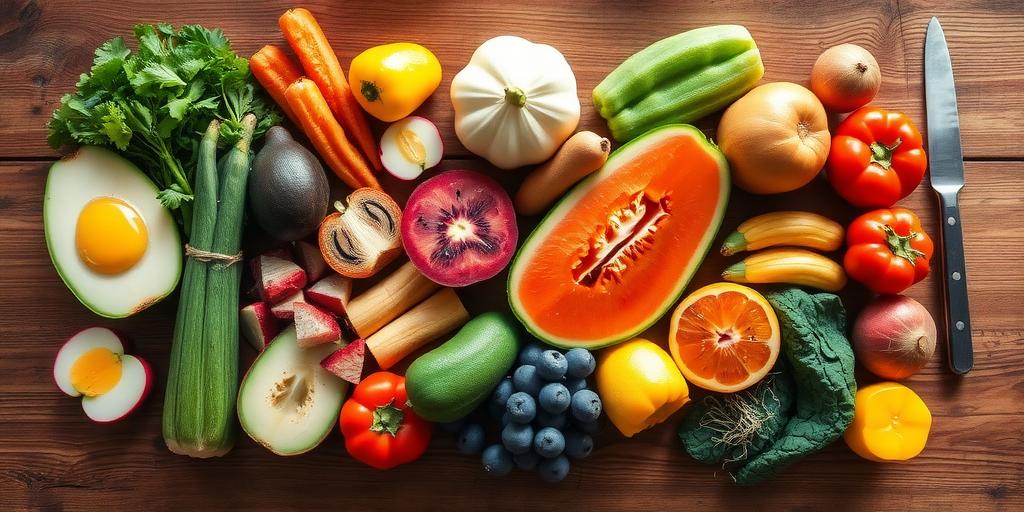 In Week 2 of your 30 Day Keto Challenge, the goal is to build momentum and solidify new habits while continuing to follow all core food rules strictly. This means sticking to the net carb limit of 20 grams per day, avoiding dairy (except butter), nuts, legumes, grains, sugar, and alcohol. To keep things interesting and prevent boredom, try experimenting with different keto-friendly recipes. For example, swap out your usual breakfast for a creamy avocado smoothie or a savory egg muffin. Increasing your fat intake further this week helps support sustained energy and keeps you feeling full longer, so don’t hesitate to add more olive oil, butter, or coconut oil to your meals.
If your schedule allows, you might want to introduce intermittent fasting by skipping breakfast, which can enhance fat burning and simplify your eating routine. Focus on meal prepping soups and main dishes in advance; soups are especially convenient for quick reheating and ensure you always have keto-compliant meals ready. Pay close attention to how your body responds: if you find yourself feeling hungry or low on energy, adjust your portion sizes accordingly. Midway through the challenge, take the time to weigh yourself and measure your progress to see how far you’ve come. Use community support and your personal goal sheets to stay motivated, sharing your wins and challenges can make a big difference. This week is also about preparing for long-term keto success by strengthening your cooking and planning skills. If cravings linger, choose nutrient-dense, satisfying foods like fatty fish, eggs, or leafy greens to help manage them without breaking your keto rules.
Week 3 Focus: Deepening Ketosis and Clean Eating
In Week 3 of your keto challenge, it’s important to keep net carbs strictly under 20 grams and avoid any cheat foods to deepen your state of ketosis. This week, focus on adding more green leafy vegetables like spinach, kale, and arugula, along with a variety of seafood such as salmon, shrimp, and sardines to boost nutrient density. Incorporating bone broth and maintaining electrolyte balance can support your metabolism and help with recovery, especially after workouts. To keep meals exciting, try new recipes like Jamaican Jerk Pork Roast or Peruvian Roasted Chicken, which bring fresh flavors without compromising your clean eating standards.
Avoid processed or convenience foods entirely to maintain the high quality of your diet. Planning ahead is key: start thinking about how to continue keto beyond these 30 days by identifying sustainable foods and habits that fit your lifestyle. Regular weigh-ins and measurements will help you track progress, while journaling your mood, sleep quality, and physical performance can provide insight into how keto is affecting your overall well-being. Meal prepping remains a valuable tool this week to reduce daily stress around food choices. Also, experiment with new cooking techniques to deepen your engagement with the diet and keep your motivation steady.
Week 4 Focus: Refining and Preparing for Maintenance
In Week 4 of your 30 Day Keto Challenge, the focus shifts to refining your habits and preparing for long-term maintenance. Keep following the core keto rules with clean eating to sustain the health benefits and weight loss you’ve worked hard to achieve. Take time to reflect on your progress by reviewing your goal sheets and measurement charts, which provide a clear picture of how far you’ve come. Use this insight to plan your future meals around the recipes and ingredients you enjoyed most over the past weeks, making keto both enjoyable and sustainable.
If you’re curious about how certain foods affect you, consider slowly reintroducing one excluded item at a time, watching for any reactions or setbacks. Be sure to complete your final weigh-in and body measurements to celebrate your results accurately. Reflect on the challenges you faced and the strategies that helped you succeed; this will build confidence as you move forward. Mentally prepare yourself to maintain these healthy habits beyond the challenge by setting realistic goals and using the support of the keto community to share your achievements and plan your next steps. This final week is about solidifying your progress and setting a strong foundation for lasting success.
Allowed Foods to Include in Your Meals
When following the 30 Day Keto Challenge, focusing on clean, whole foods is key. Meats like beef, poultry, and organ meats provide high-quality protein essential for muscle maintenance and satiety. Fish and seafood such as salmon, shrimp, and sardines are great choices, as they offer beneficial omega-3 fats that support heart and brain health. Non-starchy vegetables including leafy greens, zucchini, and broccoli deliver vital fiber and nutrients while keeping carbs low. Healthy fats are crucial on keto, so cooking with olive oil, coconut oil, and butter (the only dairy allowed) helps keep you fueled and satisfied.
Seeds like chia and flaxseed can be added in moderation for extra fiber and healthy fats without pushing your carb count too high. Fruits are limited, but small portions of berries fit well within the daily carb limit and add natural sweetness. For drinks, stick to water, herbal teas, and black coffee without added sugars or creamers. Eggs are a versatile source of protein and fat that can be prepared in many ways to keep meals interesting. Bone broth is another excellent choice, providing hydration and important minerals to support your keto journey. To enhance flavor without adding carbs, use natural flavorings like vanilla extract and a variety of herbs and spices free from additives. Sticking to these allowed foods helps maintain ketosis and supports the challenge’s goal of clean, anti-inflammatory eating.
Foods to Completely Avoid on the Challenge
To get the best results from the 30 Day Keto Challenge, it’s essential to avoid certain foods that can disrupt ketosis and trigger inflammation. First, all dairy products except butter are off-limits. This means no milk, cheese, cream, or yogurt, as these can contain hidden carbs and cause digestive issues for some people.
Nuts and nut-based products, including nut milks and nut flours, must be avoided as well, even though they’re often seen as keto staples. Legumes like beans, lentils, and chickpeas are not allowed, except for green beans, due to their higher carb content and potential to cause inflammation. Gluten-containing grains and processed grain products such as breads and tortillas are also forbidden, as they can spike blood sugar and trigger autoimmune responses.
Added sugars, artificial sweeteners, and sugar alcohols are strict no-go items because they can interfere with fat burning and cause cravings. Alcoholic drinks of all kinds are excluded since they can slow down metabolism and disrupt ketosis. Processed foods containing additives like MSG, carrageenan, artificial colors, and preservatives should be avoided to reduce inflammation and support clean eating. Starchy vegetables such as potatoes, corn, and peas are off the list because they have too many carbs. Commercial sauces and dressings often hide sugars and artificial ingredients, so those should be skipped unless you make them yourself. Lastly, low-quality oils like vegetable, soybean, and canola oils are not allowed since they are high in inflammatory omega-6 fats. Sticking to these restrictions helps maintain ketosis, reduce inflammation, and promote faster, cleaner weight loss throughout the challenge.
Effective Meal Prep Tips for Keto Success
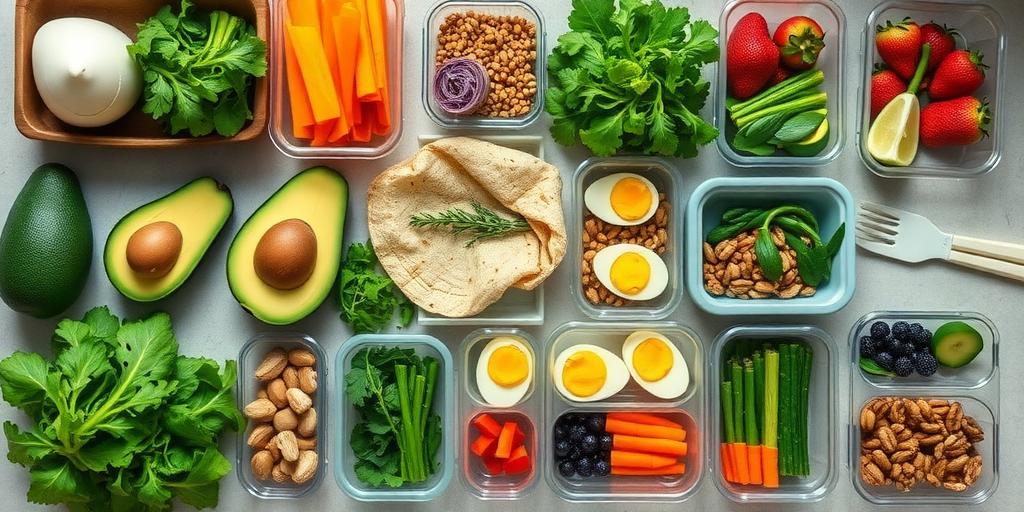 Meal prepping is essential for staying on track during the 30 Day Keto Challenge. Start by planning your meals for the entire week, focusing on simple, repeatable recipes that save time and reduce stress. Batch cooking proteins like chicken, beef, or pork on weekends gives you ready-to-use ingredients for multiple meals. Prepare keto-friendly vegetables in advance by roasting or steaming, then store them in airtight containers to keep them fresh. Including at least one soup recipe each week is a great idea since soups can be made in bulk and reheated easily, helping you avoid last-minute cooking.
Use meal prep containers to portion out your meals and snacks, which helps control portions and keep your macros within the required limit of 20 grams net carbs per day. Incorporate healthy fats such as olive oil, coconut oil, and butter during prep to keep you feeling full longer. Cook versatile ingredients like shredded chicken and roasted veggies that can be mixed and matched throughout the week to prevent meal boredom. Keep keto staples handy, boiled eggs, pre-cut veggies, and fat bombs make quick, convenient snacks. Be sure to label and date all prepped foods to ensure freshness and minimize waste. Finally, use goal sheets or journals to plan meals carefully around your carb limits, making it easier to stay accountable and consistent throughout your keto journey.
- Plan meals for the entire week focusing on simple, repeatable recipes to save time and reduce stress.
- Batch cook proteins such as chicken, beef, or pork on weekends to use throughout the week.
- Prepare keto-friendly vegetables in advance by roasting or steaming and storing in airtight containers.
- Include at least one soup recipe per week that can be made in bulk and reheated easily.
- Use meal prep containers to portion out meals and snacks for better control of portions and macros.
- Incorporate healthy fats like olive oil, coconut oil, and butter into meals during prep for satiation.
- Cook versatile ingredients that can be combined in different ways to avoid boredom, such as shredded chicken or roasted veggies.
- Use goal sheets and journals to plan meals around your carb limit (≤ 20 grams net carbs per day).
- Keep keto staples like boiled eggs, pre-cut veggies, and fat bombs ready for quick snacks.
- Label and date prepped foods to ensure freshness and avoid food waste during the 30-day challenge.
Using Goal Sheets and Journals to Track Progress
Tracking your progress with goal sheets and journals is a powerful way to stay on course during the 30 Day Keto Challenge. Start by recording your daily net carb intake to make sure you stick to the 20 grams or less limit. This helps prevent accidental carb creep that could knock you out of ketosis. Each week, take note of your weight and body measurements to see how your body is changing.
These numbers can guide you to adjust portion sizes or food choices if needed. Journals are also great for tracking how you feel, write down your energy levels, mood, and sleep quality to spot patterns as your body adapts to keto. If you experience keto flu symptoms like headaches or fatigue, note them along with any remedies you try, such as extra hydration or electrolyte supplements. Set weekly goals for meal prep, hydration, and electrolyte balance to create small, manageable targets that keep you motivated. Use your journal to jot down which recipes worked well and which ones you want to tweak or skip next time. If you’re trying intermittent fasting, record fasting days and observe how they affect your hunger and energy throughout the day.
When the challenge ends, your goal sheets can help you plan a gradual reintroduction of foods, making it easier to identify any triggers. Don’t forget to track physical activities alongside your keto progress; seeing how your energy and performance improve with exercise adds another layer of insight. Finally, use your journal to reflect on any challenges you faced and celebrate the successes you achieved. This reflection can boost your motivation and help you maintain healthy habits beyond the initial 30 days.
Support Resources from the SCKC Community and Website
 The Squeaky Clean Keto Challenge (SCKC) offers a wealth of support to help you stay on track and succeed. You can access over 100 SCKC-compliant recipes covering breakfasts, main dishes, soups, and snacks, making meal planning easier and more varied. Printable weekly meal plans and shopping lists are available to simplify clean keto shopping and prep, ensuring you stick to the plan without guesswork. The Squeaky Clean Keto Goal Sheet and Journal printables help you track your weight, measurements, and daily notes, keeping your progress organized and motivating.
For real-time interaction, join the active SCKC Facebook community where members share experiences, ask questions, and offer encouragement. The website also features educational blog posts that cover keto success tips, troubleshooting common challenges, and fresh recipe ideas to keep your meals exciting. If you’re wondering about supplements, there’s guidance on using MCT oil and electrolytes to support ketosis and maintain energy. Community challenges and live Q&A sessions provide extra motivation and a chance to get personalized answers from experts.
You’ll also find practical advice on managing keto flu symptoms and overcoming hurdles like cravings or energy dips. Plus, there’s helpful information on customizing the plan to fit your unique needs or restrictions. Finally, as you near the end of the 30-day challenge, resources on long-term keto maintenance and how to transition smoothly beyond the initial month are available to help you build sustainable habits.
Planning Beyond 30 Days for Long-Term Keto Success
After completing the 30-day keto challenge, it’s important to reflect on the foods and recipes that worked best for you. Use this insight to create a sustainable meal plan that fits your lifestyle instead of relying on strict rules alone. Continuing to use goal sheets and journals will help you monitor progress and stay accountable as you move forward. Gradually reintroduce excluded foods one at a time, paying close attention to how your body reacts. This process can help identify any triggers or sensitivities you may have missed during the challenge.
Maintaining hydration and electrolyte balance remains crucial for supporting metabolism and energy levels long term. If intermittent fasting suited your hunger and energy patterns during the challenge, consider incorporating it regularly to enhance fat burning and appetite control. To avoid lapses, plan meal prep routines that fit your schedule, ensuring you always have keto-friendly options ready. Beyond weight loss, set new health goals like improving sleep quality, mood, or digestion to keep motivation high.
Engage with the SCKC community for ongoing support, recipe ideas, and encouragement. As your activity levels and metabolism change, adjust fat and protein intake accordingly to meet your body’s needs. Finally, schedule periodic reviews of your keto plan to refresh recipes, tweak macros, and prevent plateaus, keeping your keto journey effective and enjoyable over time.
Frequently Asked Questions
1. What are the most important things to focus on during each week of the 30 Day Keto Challenge?
During the first week, you should concentrate on cutting carbs and allowing your body to adjust to ketosis. The second week is about building consistent meal habits and managing any side effects like keto flu. In week three, focus shifts to fine-tuning your macros and introducing keto-friendly snacks. The last week is for evaluating your progress and planning how to maintain the diet after the challenge.
2. How can beginners effectively handle cravings and energy dips while doing the keto challenge?
To tackle cravings, it’s best to stay hydrated, eat enough healthy fats and moderate protein, and include low-carb vegetables. Energy dips often happen early on but usually improve after your body adjusts. Adding electrolytes like sodium, potassium, and magnesium can help, as can short walks or light exercise to boost your energy naturally.
3. Are there common mistakes beginners make during the keto challenge, and how can they avoid them?
Some typical mistakes include not tracking carb intake carefully, eating too little fat, not drinking enough water, and ignoring electrolyte needs. To avoid these, use a keto app for tracking, prioritize fat in your meals, drink plenty of water daily, and consider supplementing with electrolytes or eating foods rich in them.
4. How does the keto diet affect physical performance during the 30-day challenge, especially for beginners?
At first, you might notice a drop in physical performance or stamina, mainly because your body is switching fuel sources. This is normal and temporary. As you get deeper into the challenge, many people find their energy steadies and endurance improves. Sticking with the diet and adjusting workouts to lower intensity initially can help ease this process.
5. What are the best ways to measure progress beyond just weight loss during the 30 Day Keto Challenge?
Besides weight loss, tracking inches lost, body measurements, and how your clothes fit can give a good sense of progress. Pay attention to energy levels, mental clarity, and sleep quality as well, since those usually improve on keto. Some people also use ketone testing strips or blood meters to check if they’re in ketosis consistently.
TL;DR The 30 Day Keto Challenge for Beginners offers a clear, week-by-week guide focused on clean eating and cutting common allergens like dairy, nuts, and grains. It’s designed to help with faster weight loss, managing keto flu, building keto habits, and setting you up for long-term success. You’ll follow strict rules, meal prep strategies, and get support through meal plans and an online community. The plan encourages tracking progress and gradually refining your approach to maintain health improvements beyond the initial 30 days.
[…] grill to medium-high temperature (around 400°F or 200°C). Thread shrimp and zucchini alternately onto skewers (around 4-5 pieces of shrimp and zucchini per […]