
Industrial food, also known as ultra-processed foods (UPFs), comprises most people’s diets today, particularly those of developed countries. Such foods have been produced using various manufacturing processes involving ingredients like high-fructose corn syrup, hydrogenated oils, emulsifiers, flavors, colors, and preservatives that are rarely used at home. Using the NOVA food classification, UPFs include products such as beverages with sugar, packaged snacks, ready meals, reconstituted meats, and numerous breakfast cereals.
For any person looking to follow a specific diet, whether for losing weight, improving metabolism, or generally for health reasons, industrial foods are hazardous. Contrary to being just calorie sources, such foods sabotage efforts through mechanisms that cause overeating, fat gain, inflammation, and other negative health impacts. This paper discusses the hazards associated with consuming industrial food for those on a diet through examining epidemiological data, randomized controlled trials (RCTs), and mechanism-based studies, as well as comparing these with advantages of eating whole foods.
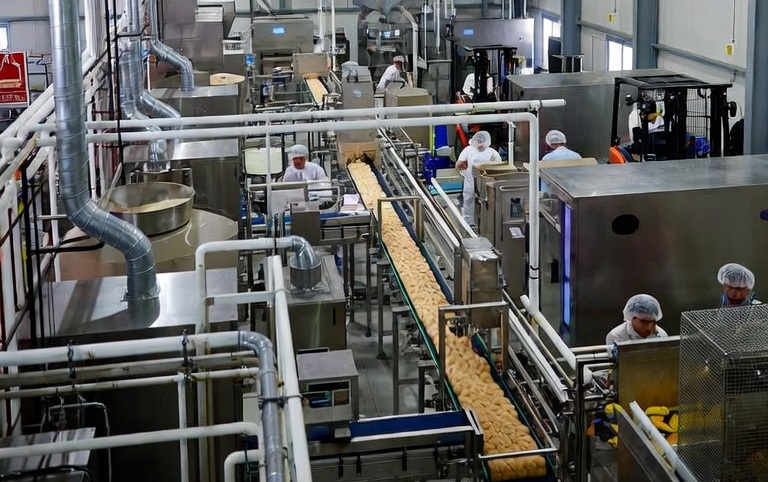
Definition of Industrial Food and Ultra-Processed Food
Food processing can be of different types, although the NOVA framework helps define it based on its degree. Minimally processed food includes raw or simple processing of products such as fruits, vegetables, grains, and meat. Processed culinary ingredients include oil, sugar, and salt to facilitate cooking. Processed foods comprise canned vegetables, cheeses, and breads. However, ultra-processed foods are formulated to be hyper-palatable and convenient with at least 5 different additives, including industrially extracted and synthesized substances.
UPFs make up 53-58% of caloric intake among adults in the US and 62% among children with slightly declining trends but still with their dominance. Global figures rise with industrialization and urbanization. Such foods are made to have long shelf lives and be low-cost and hyper-palatable with sweet, salty, and fatty components that stimulate evolutionary reward circuits. Hence, when on a diet, in which calorie control and nutrient intake are crucial, this feature makes UPFs highly disadvantageous.
Mechanism: How Industrial Food Chemicals Sabotage Diets
One of the main hazards of UPFs is that they disrupt regular appetite control and energy balance. Kevin Hall et al.’s 2019 RCT conducted at NIH included 20 healthy volunteers who consumed an ultra-processed or unprocessed diet for two weeks with matching calories, macronutrients, sugar, sodium, and fiber. With UPFs, the individuals ate an additional 500 calories daily, gained 0.9-2 pounds (fats), and lost weight on the unprocessed diet. There was less chewing and fast eating on the UPF diet.
It occurs due to several factors. First, UPFs are high-calorie foods and low in volume and fiber with minimal satiety signals to gut and brain. Natural fiber and structure of whole foods slow down digestion and provide satiety hormones such as GLP-1, PYY, and CCK; however, food processing breaks down this matrix, thus causing rapid glucose surges, drops, and rebounds. Hyper-palatability due to food enhancers overrides homeostatic mechanisms and promotes hedonic overeating.
Moreover, additives have adverse effects. Some emulsifiers and preservatives are able to disrupt gut microbiota and lead to leaky gut (increased intestinal permeability) and inflammation, which causes insulin resistance and obesity. Endocrine-disrupting chemicals (EDCs) in the form of phthalates and BPA in packaging can leach from industrial foods, especially fatty ones and mimic hormones, promoting fat cell proliferation and metabolic disorders.
Finally, sugars and fats in UPFs compromise leptin and insulin signaling, hence hampering brain’s ability to feel fullness. Research suggests that eating higher amounts of UPFs correlates with altered reward processing in brain centers such as the striatum as with other addictive substances. For someone on a diet, it means endless battles against craving and depleting willpowerBesides the immediate effect on the appetite, UPFs cause the metabolic slowdown. High glycemic load increases fat accumulation due to insulin spikes. Regular consumption is also related to dyslipidemia, hypertension, and visceral fat accumulation, the very things a dieter wants to get rid of. Even ‘diet’ versions with artificial sweeteners can confuse metabolic signals, possibly causing calorie consumption in the future.
Epidemiological Evidence: Risks for the General Population
Several large studies suggest that consumption of UPFs has detrimental consequences. The 2024 umbrella review of 45 meta-analyses (about 10 million people) published in the BMJ found convincing evidence that high UPF consumption was associated with increased risks of all-cause mortality (21%), cardiovascular mortality (50%), type 2 diabetes (12%), anxiety (48-53%), and obesity. Highly probable associations included heart disease, depression, and sleep problems.
Higher quintiles of Industrial food consumption were related to 53% greater risk of obesity and 62% for abdominal obesity in the US. In prospective cohorts, there was a dose-response relationship: the higher UPF intake of Spanish adults correlated with 26% greater risk of overweight/obesity in 9 years, 79% for UK adults within 5 years, and for Australians in the highest quintile (more than 62% energy) with almost 1 unit greater BMI and 61% obesity risk.
These associations persisted even after adjustment for the quality of overall diets, socioeconomic variables, and physical activity, implying that UPFs cause additional harm. For someone on a diet, it means lack of progress, yo-yo cycling, and disappointment. Children have higher risks as UPF intake correlates with accelerated BMI trajectory until adolescence.
Data about mortality risks from Tufts University researchers suggest that every 10% increase in UPF calories correlates with 9% greater risk of all-cause mortality. It adds up greatly when reaching typical US levels (above 50%). Links also exist with colorectal cancer, dementia, and inflammatory bowel disease – diseases one has to avoid to maintain weight loss.
Hazards Specific for the Context of Diet
Dieting usually involves some kind of caloric restriction, making one vulnerable to risks associated with UPFs. The combination of restrictive diet and hyper-palatable snacks triggers compensatory overeating. Nutrient deficiency of UPFs (low vitamins, minerals, phytonutrients) can lead to deficiencies causing metabolic slowdown or thyrodine dysfunction – the opposite thing for fat loss.
Also, inflammation causes by additives and trans fats can elevate cortisol level, thus encouraging abdominal fat storage and muscle catabolism. Dysbiosis caused by the same factors affects serotonin synthesis (90%+ in the gut), hence decreasing mood and adherence to diets with caloric restriction. Moreover, for low-carb or keto dieters, ‘keto-friendly’ UPFs provide the same emulsifiers and isolates and reduce benefits.
In the long term, Industrial food consumption leads to food addiction-like behaviors, making it difficult to shift to healthier eating. There is research showing that UPFs delay satiety and increase consumption even when matching in protein or other macronutrients.
Why Industrial food?
The role of chemicals in contemporary food industry is central. Their use allows achieving high efficiency, consistency, and profitability of the process. Chemicals include pesticides, herbicides (for instance, glyphosate), and fertilizers that help increase productivity of crops and protection against pests and weeds.
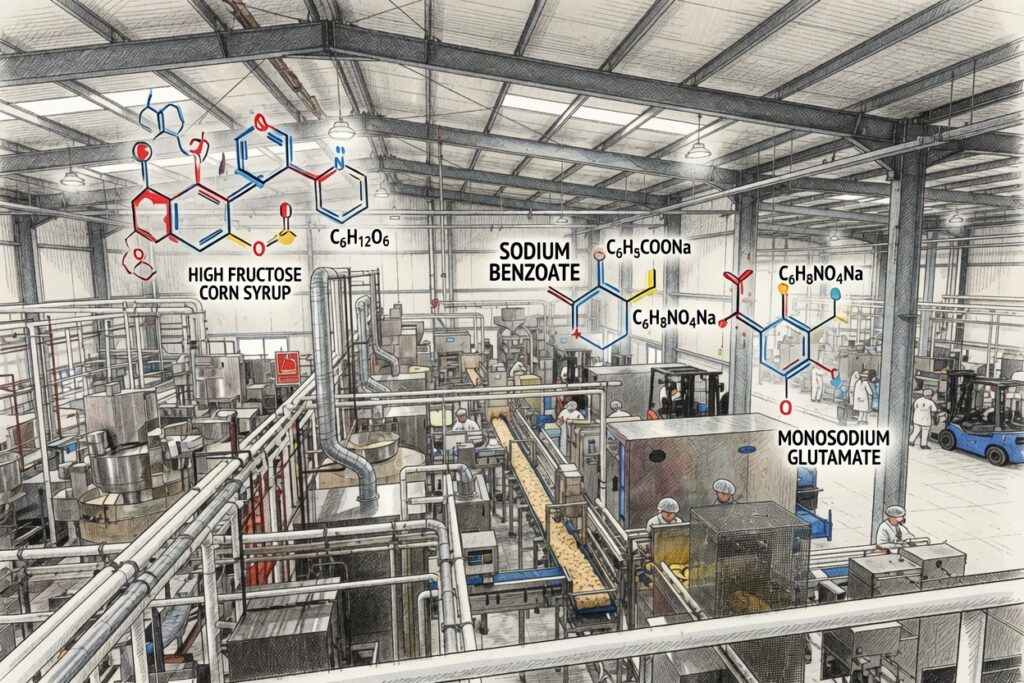
In addition, livestock producers use antibiotics and hormones that promote faster development of animals and help prevent various diseases in overcrowded conditions. Moreover, in the course of food processing, such additives as preservatives (e.g., sodium benzoate and nitrates), artificial colors, flavorings (e.g., monosodium glutamate), emulsifiers, and stabilizers are used to extend the shelf-life, improve the product, decrease costs, and make the food tastier.
The use of these chemicals provides a year-round supply of uniform products but has been associated with health risks and the negative impact on the environment such as soil degradation, water pollution, and loss of biodiversity. The issue is regulated by the FDA and EPA that set the maximum amounts of chemicals but there are discussions concerning more transparency, reduction of chemical use, and alternatives such as organic farming.
Superiority of Whole Foods Alternatives
Whole foods diets are superior for weight management. They involve consumption of lots of fruits, vegetables, whole grains, legumes, nuts, seeds, and minimally processed animal products. High fiber and water content of whole foods provides high volume of consumed food without additional calories and increased satiety. One study suggested that whole-food consumers consumed 57% more food by weight with 330 calories fewer daily.
Moreover, plant-based whole foods diets are known to cause weight loss and maintenance and are associated with lower obesity. Such diets enhance insulin sensitivity and reduce inflammation. They are also beneficial for microbiome diversity. RCTs and cohorts demonstrate better cardiometabolic outcomes compared to UPF diets.
Tips for dieters: it is necessary to prepare home-cooked meals with single-ingredient foods; batch-cook vegetables, grains, and protein sources. Pay attention to the product labels, avoiding foods with long and unfamiliar list of ingredients. Start with gradual replacement of one UPF snack daily with fruit, nuts, and yogurt; focus on the nutrient density to fight off hunger hormones.
Challenges include the lack of time, costs, and accessibility, but the benefits accumulate and involve sustainable energy level, improved mood, and easy weight maintenance. Some policy steps would be helpful – such as taxes on UPFs or subsidizing produce; however, personal choice begins with cooking at home.
Addressing Counterarguments and Nuances
Critics mention that not all processing is harmful (fortified foods, canned beans). Also, some UPFs can be included in balanced diets sometimes. Nevertheless, the dose-response and RCT evidence point to the hazards when UPFs are consumed at population levels. Epidemiological studies suffer from the problem of confounding, but RCTs minimize it. Individual differences exist (genetics, microbiome, lifestyle) but general patterns speak against UPFs.
Conclusion
Overall, industrial foods are dangerous for everyone on a diet. Thanks to the engineered overconsumption, metabolic disturbance, inflammation, and nutrient deficiency, they undermine the efforts of losing weight and increasing risks of diseases. The evidence – from Hall’s RCT showing effortless overeating to large reviews pointing to adverse outcomes of UPF consumption – is irrefutable.
Consumption of whole foods is the way to achieve success: it provides natural satiety, nutritional optimization, and good habits. Although convenience culture encourages industrial food choices, reclaiming food preparation can benefit the dieters greatly. In the era of growing obesity and diseases, reduction of UPFs’ consumption is not only reasonable but vital for meeting health goals.
Common Chemicals in Industrial Food
- Pesticides and herbicides (used while cultivating)
Herbicide: Glyphosate (Roundup)
Insecticides: Chlorpyrifos (insecticide)
Herbicide: Atrazine (for use on corn and sugar cane crops)
Systemic insecticides: Neonicotinoids (imidacloprid)
- Fertilizers and soil additives
Nitrogen fertilizers: Ammonium nitrate and urea
Phosphorus fertilizer: Superphosphate
Potassium fertilizer: Potassium chloride
- Preservatives
Sodium benzoate and potassium benzoate (mold and bacteria inhibitor)
Sodium nitrite and sodium nitrate (for use in cured meats)
Sulfites (sulfur dioxide) (in dried fruit and wine)
BHA and BHT (antioxidants)
- Artifical colours
Red dye #40 (Allura Red)
Yellow #5 (Tartrazine)
Yellow #6
Blue #1
Carmine (Cochealeil extract)
- Flavor enhancers and artificial flavours
Monosodium glutamate (MSG)
Artificial flavors (consist of hundreds of synthetic organic compounds obtained from petroleum)
- Sweeteners
High-fructose corn syrup (HFCS)
Aspartame
Sucralose
Saccharin
Acesulfame potassium
- Emulsifiers, stabilizers and thickeners
Soy lecithin
Carrageenan
Xanthan gum
Mono and diglycerides
Polysorbate 80
- Hormones and antibiotics (in conventionally produced meat and dairy)
rBGH / rBST (recombinant bovine growth hormone)
Antibiotics: various (tetracycline, penicillin)
- Other processing aids
Trans fats (partial hydrogenation) (mostly banned now, but still exist in certain food products)
Brominated vegetable oil (BVO) (used in some citrus-flavored sodas)
Aluminum (in baking powder and anticaking agents)
Note: Most of the above-mentioned chemicals are used in controlled quantities and are authorized by the FDA or the EPA.
However, there is ongoing debate about the long-term effects of such additives, especially in industrial food. Organic and minimally processed foods contain much less synthetically produced chemicals. Always check food ingredients.
[…] issue, frequently the key to success, is knowing exactly what not to consume. Not only do high-carb foods build up rapidly on your daily count, but they can also sabotage ketosis, create blood sugar spikes […]