
Many readers ask about low-carb vegetarian recipes; here they are! Enjoy!
Are you one of the 5% of Americans who have embraced a vegetarian lifestyle, or perhaps you’re simply trying to cut down on carbs to keep that waistline in check? If so, you’re not alone! Recent surveys show that 22% of Americans are actively seeking ways to reduce their carbohydrate intake while maintaining their meat-free diet. It’s a balancing act, but the good news is that delicious low-carb vegetarian recipes exist to help you thrive without sacrificing flavor.
At PLM Alchemy Lab, we believe that following a low-carb plant-based diet doesn’t have to mean munching on bland salads or tasteless veggie sticks. In fact, with just a little creativity and some tasty ingredients, you can whip up meals that are as satisfying as they are nutritious. Think vibrant vegetable stir-fries, hearty cauliflower-based dishes, and protein-rich legumes—all while staying firmly within those carb limits.
The beauty of low-carb vegetarian cooking lies in its versatility. With countless options at your fingertips, you can mix and match ingredients to create meals that not only nourish your body but also tickle your taste buds. Plus, it’s an excellent way to sneak in those essential nutrients while keeping things interesting (because let’s face it—no one wants to eat the same thing day in and day out).
So, roll up your sleeves and prepare for some culinary adventures! We’ve compiled a list of irresistible low-carb vegetarian recipes guaranteed to become staples in your kitchen. Whether you’re an experienced chef or just someone who enjoys experimenting with food, these dishes will inspire you to embrace the vibrant world of vegetarian cooking without the carbs weighing you down!
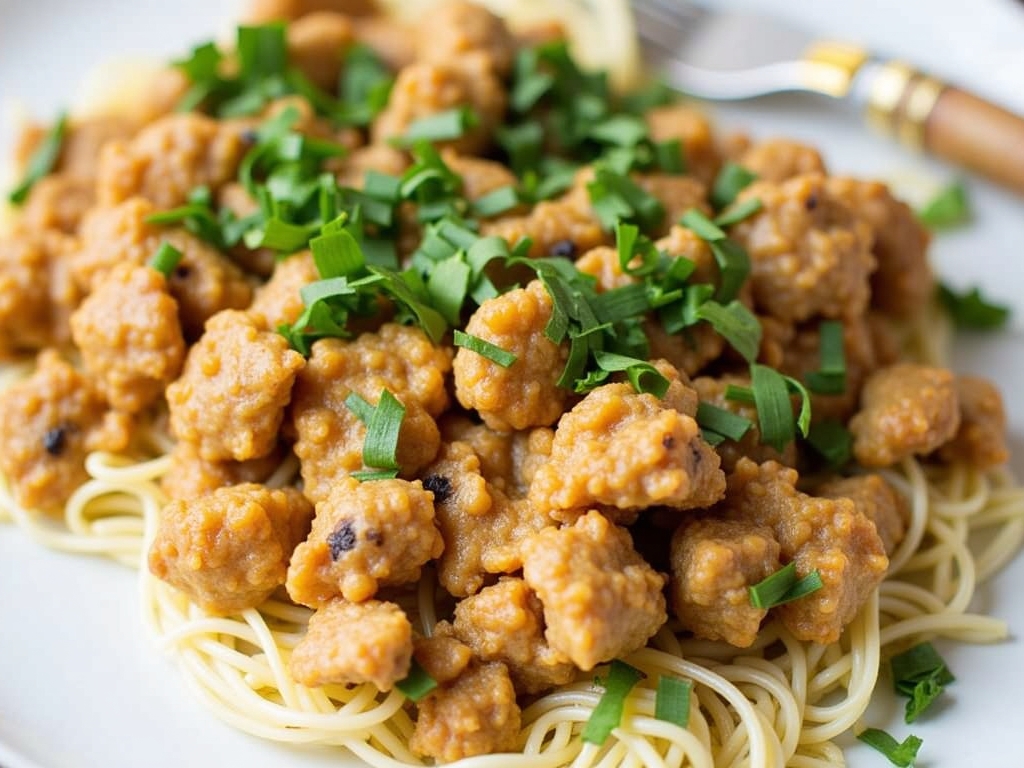
Zucchini Noodles with Pesto Sauce
If you’re looking for a dish that combines the freshness of vegetables with a touch of Italian flair, look no further than zucchini noodles with pesto sauce! This delightful meal is not only low in carbs but also bursting with flavor, making it a perfect fit for anyone navigating the waters of a low-carb vegetarian diet.
Imagine this: spiralized zucchini, lovingly twirled to mimic traditional pasta, smothered in a rich and vibrant pesto. It’s the kind of comfort food your taste buds will thank you for, and your waistline won’t complain about either. Plus, zucchini is incredibly low in calories and carbs—about 3 grams of net carbs per cup—so you can indulge guilt-free!
Why Zucchini Noodles?
- Low-Carb Delight: As the name suggests, zucchini noodles are an excellent alternative to regular pasta. They provide that satisfying texture without the hefty carb count.
- Nutrient-Rich: Zucchini is packed with vitamins A and C, potassium, and antioxidants. It’s like giving your body a tasty multivitamin!
- Quick and Easy: This dish comes together in under 30 minutes—perfect for those busy weeknights when you want something delicious without spending hours in the kitchen.
The Pesto Sauce Magic
Pesto can elevate any meal from mundane to magnificent! Here’s what makes it so special:
- Basil Bonanza: Fresh basil is not just aromatic; it’s also loaded with anti-inflammatory properties.
- Nuts About Protein: Most pesto recipes include pine nuts or walnuts which add a nice crunch while providing healthy fats and protein.
- Versatile Vibes: You can easily adjust your pesto by experimenting with different nuts or adding spinach for an extra nutrient boost!
A Simple Recipe to Try
Your taste buds will sing when you try this easy recipe:
- Spiralize 2 medium zucchinis into noodles.
- Sauté them in olive oil over medium heat for about 5-7 minutes until tender.
- For the pesto: Blend 1 cup fresh basil leaves, 1/4 cup pine nuts (or walnuts), 1/2 cup olive oil, 1/4 cup grated Parmesan cheese (or nutritional yeast for a vegan option), and salt to taste until smooth.
- Toss the warm zucchini noodles with the fresh pesto sauce.
- Add cherry tomatoes or sautéed mushrooms on top for extra flavor (optional).
“This dish proves that eating healthy doesn’t mean sacrificing flavor—only reinventing it!”
Zucchini noodles with pesto sauce make an ideal addition to your collection of low-carb vegetarian recipes. Not only will they satisfy your cravings, but they’ll also keep you on track towards those health goals. So grab those zucchinis and let’s get cooking!
Cauliflower Fried Rice
Let’s face it: who doesn’t love a good fried rice dish? It’s comforting, satisfying, and incredibly versatile. But if you’re on a low-carb vegetarian journey, traditional fried rice may seem like a no-go. Enter cauliflower fried rice—a game-changer that swaps out the starchy rice for nutrient-packed cauliflower without sacrificing any of that beloved flavor.
Picture this: fluffy, riced cauliflower sautéed to perfection with vibrant veggies and your favorite seasonings. This dish not only delivers on taste but also checks all the boxes for a keto vegetarian meal. Did you know that a single cup of cauliflower contains just about 5 grams of carbs? That’s right! It’s an excellent choice for anyone looking to keep their carbohydrate intake in check while enjoying a hearty meal.
Why Go for Cauliflower Fried Rice?
- Low-Carb Wonder: With minimal carbs per serving, cauliflower fried rice allows you to enjoy your favorite comfort food without the carb overload.
- Nutritional Powerhouse: Cauliflower is rich in vitamins C and K, as well as fiber. These nutrients support immune health and aid digestion—who knew comfort food could be so healthy?
- Quick Cooking Time: This dish can be ready in under 20 minutes—perfect for those busy evenings when you want something delicious but don’t have hours to spare.
The Flavor Factor
You might be wondering how this dish can compete with traditional fried rice when it comes to flavor. Here’s how:
- Umami Boost: Use soy sauce or tamari (for gluten-free options) to give your cauliflower fried rice that savory taste we all crave.
- Aromatic Additions: Incorporate garlic, ginger, and green onions for layers of flavor that will have your taste buds dancing!
- Your Choice of Veggies: Feel free to mix in whatever vegetables tickle your fancy—peas, bell peppers, carrots—the possibilities are endless!
A Simple Recipe to Try
- Start by pulsing one medium head of cauliflower in a food processor until it resembles rice grains.
- Sauté diced onions and minced garlic in olive oil over medium heat until fragrant.
- Add the riced cauliflower along with frozen peas and carrots; cook for about 5-7 minutes until tender.
- Stir in soy sauce (or coconut aminos) and sesame oil to taste; mix well.
- Toss in sliced green onions before serving and enjoy!
“This dish proves that making healthy choices can feel just as satisfying as indulging!”
This cauliflower fried rice recipe is not just another addition to your roster of easy low-carb veggie dishes; it’s an invitation to savor every bite while staying true to your health goals. So grab that head of cauliflower from the fridge, channel your inner chef, and let’s whip up some magic!
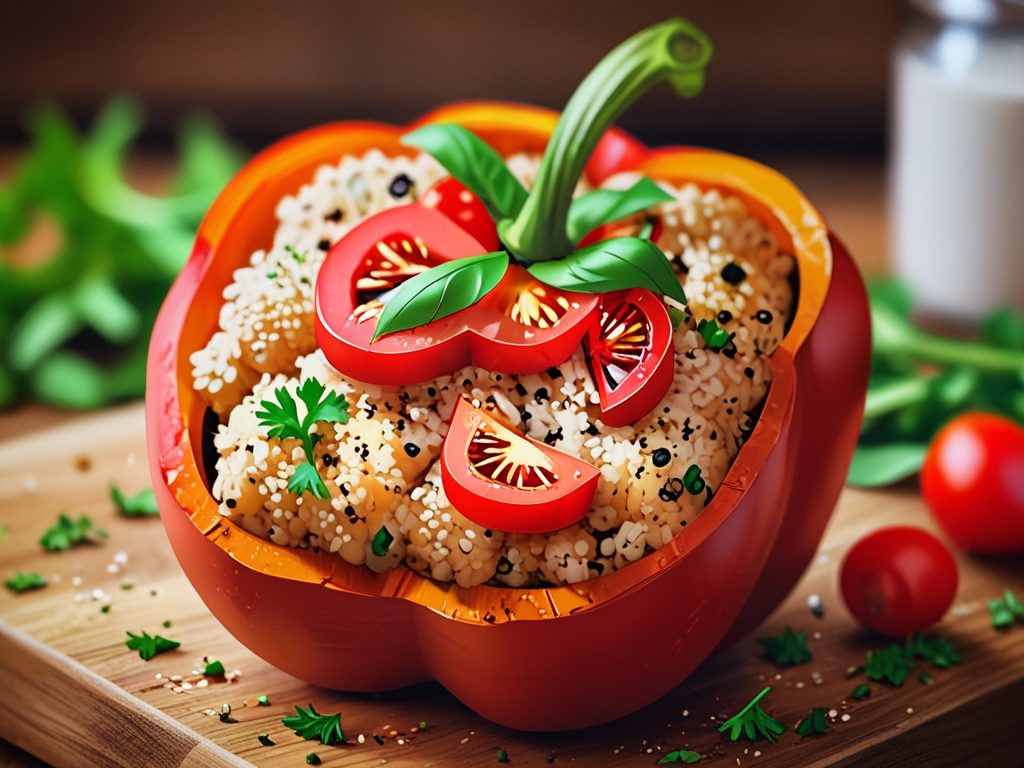
Stuffed Bell Peppers with Quinoa
When it comes to low-carb vegetarian recipes, stuffed bell peppers with quinoa are a delightful dish that effortlessly steals the spotlight! These colorful beauties are not only visually appealing but also packed with flavor and nutrients. Imagine biting into a tender bell pepper, lovingly filled with a savory mixture of quinoa, spices, and vegetables—talk about a fiesta for your taste buds!
Quinoa is often hailed as a superfood for good reason. It’s a complete protein, meaning it contains all nine essential amino acids your body craves. With about 39 grams of carbs per cup cooked, it’s still manageable in moderation on a low-carb plant-based diet. Plus, these vibrant peppers add an extra crunch while delivering vitamins A and C, making them an ideal partner for your quinoa filling.
Why Stuffed Bell Peppers?
- Colorful & Fun: Not only do stuffed bell peppers stand out on your plate, but they also make for great conversation starters at dinner parties.
- Versatile Fillings: You can get creative with the fillings! Think black beans, corn, diced tomatoes, or even some cheese for those who want to indulge.
- Nutrient-Dense: Bell peppers are low in calories yet high in nutrients. A medium pepper contains around 24 calories but packs a punch with antioxidants!
The Quinoa Filling Magic
Your stuffing options can be as varied as your imagination! Here’s why quinoa makes such an amazing base:
- High-Protein Powerhouse: Quinoa brings the protein game to the table. With approximately 8 grams of protein per cup cooked, it’s perfect for keeping you feeling full.
- Gluten-Free Goodness: Being gluten-free means that even those with sensitivities can enjoy these flavorful stuffed peppers without worry.
- Flavor Absorption: Quinoa soaks up all the surrounding flavors like a sponge—add herbs and spices to take it to the next level!
A Simple Recipe to Try
This recipe is simple enough for beginner cooks but impressive enough to wow your guests:
- Preheat oven to 375°F (190°C).
- Cook 1 cup of quinoa according to package instructions; set aside.
- Slice the tops off four bell peppers and remove seeds; place them upright in a baking dish.
- In a mixing bowl, combine cooked quinoa with diced tomatoes, black beans (rinsed), corn (optional), cumin, chili powder, salt, and pepper.
- Spoon the mixture into each bell pepper until generously filled.
- Cover with foil and bake for about 25 minutes. Remove foil and bake for another 10 minutes until peppers are tender.
“Stuffed bell peppers: proof that healthy eating can be both nutritious and absolutely delicious!”
Your stuffed bell peppers not only serve as an excellent addition to your collection of low-carb meatless recipes; they’re also incredibly versatile! Experimenting with flavors will ignite your creativity while keeping your meals exciting. So grab those colorful peppers and let’s make something truly special!
Mushroom Stroganoff
Ah, mushroom stroganoff—a creamy, savory dish that warms the soul and tantalizes the taste buds! If you’re on a quest for low-carb vegetarian recipes that feel indulgent without the guilt, this is your golden ticket. Imagine tender mushrooms bathing in a luscious sauce, all served over your favorite low-carb alternative. It’s like a cozy hug on a plate that won’t derail your health goals!
This delightful take on stroganoff swaps out traditional noodles for something much more waistline-friendly while still delivering that rich, comforting flavor we all crave. Let’s dive into why this dish should be on your meal prep roster and how you can whip it up in no time!
Why Mushroom Stroganoff?
- Mushroom Magic: Mushrooms are not just tasty; they’re low in calories and carbs, making them an ideal base for this creamy comfort dish. A cup of sliced mushrooms contains about 2 grams of net carbs—perfect for those watching their intake!
- Creamy Deliciousness: The sauce made from almond milk or coconut cream brings a velvety richness that rivals any traditional stroganoff while keeping it dairy-free.
- Simple Ingredients: With just a few pantry staples like garlic, onion, and vegetable broth, you can create a gourmet meal without breaking the bank or your time budget.
The Cream Sauce Perfection
What elevates mushroom stroganoff from “meh” to “wow” is its divine creamy sauce. Here’s what makes it so special:
- Flavor Infusion: Garlic and onions sautéed to perfection create an aromatic foundation that fills your kitchen with mouthwatering scents.
- Umami Boost: Soy sauce or tamari adds depth while maintaining that beloved umami flavor profile—because who doesn’t want their food to be flavorful?
- Dairy-Free Alternatives: Whether you’re lactose intolerant or simply prefer to keep things plant-based, almond milk or cashew cream will give you all the creaminess without the carbs.
A Simple Recipe to Try
This easy mushroom stroganoff recipe can be ready in about 30 minutes—perfect for those busy weeknights when you need something satisfying yet simple:
- Sauté 1 diced onion and 2 minced garlic cloves in olive oil over medium heat until fragrant.
- Add 8 ounces of sliced mushrooms (your choice: cremini, portobello, etc.) and cook until browned.
- Pour in 1 cup of vegetable broth and 1/2 cup of almond milk (or coconut cream); bring to a simmer.
- Add salt, pepper, and a splash of soy sauce to taste; simmer for another 5-10 minutes until the sauce thickens slightly.
- If desired, stir in cooked zucchini noodles or cauliflower rice for a hearty base before serving!
“Mushroom stroganoff: proof that comfort food can be healthy without sacrificing flavor!”
This dish is not just another addition to your collection of easy low-carb veggie dishes; it’s an indulgence you can feel good about! So whether you’re enjoying it solo after a long day or serving it up at dinner parties (watch out—your guests will be impressed!), mushroom stroganoff is bound to become one of your go-to meals for cozy evenings in. Now grab those mushrooms and let’s get cooking!
Baked Eggplant Parmesan
Get ready to fall in love with Baked Eggplant Parmesan, the ultimate dish that brings comfort food to your low-carb vegetarian table! This recipe is a delightful twist on the classic Italian favorite, crafted to satisfy your cravings without the hefty carb load. Yes, you can have your eggplant and eat it too!
Imagine perfectly baked slices of eggplant layered with rich marinara sauce and gooey mozzarella cheese, all while packing in some unexpected nutritional benefits. Eggplant is a superstar in the low-carb world, containing less than 5 grams of net carbs per cup. So not only will this dish tantalize your taste buds, but it also aligns beautifully with your health goals!
Why Baked Eggplant Parmesan?
- Flavor Explosion: The combination of baked eggplant, tangy marinara, and melty cheese creates a flavor party that makes this dish irresistible.
- Nutrient-Rich: Eggplants are full of antioxidants such as nasunin, which supports brain health while keeping calories low—what’s not to love?
- Simplified Cooking: Baked instead of fried means less mess and fewer calories. It’s all about enjoying that crispy texture without feeling guilty.
The Marinara Sauce Magic
A stellar marinara can elevate your eggplant dish from good to great! Here’s how to make it shine:
- Homemade Goodness: Making your own marinara lets you control the ingredients—skip added sugars and preservatives while boosting flavor with fresh herbs.
- Aromatics Matter: Onions and garlic will add depth; don’t skimp on these flavor heroes!
- Add Some Spice: A pinch of red pepper flakes can bring just the right amount of heat to balance out the richness of the cheese.
A Simple Recipe to Try
This baked eggplant parmesan is so easy you’ll wonder why you didn’t try it sooner:
- Preheat your oven to 375°F (190°C).
- Slice 1 large eggplant into ½-inch rounds; salt them lightly and let them sit for about 30 minutes—this helps remove excess moisture.
- In a shallow bowl, mix together almond flour (for a low-carb crunch) and Italian seasoning; dip each slice in this mixture.
- Bake the eggplant slices on a parchment-lined baking sheet for about 20 minutes until golden brown, flipping halfway through.
- In a baking dish, layer marinara sauce at the bottom; add a layer of baked eggplant slices followed by mozzarella cheese and repeat until all ingredients are used up.
- Bake for an additional 25-30 minutes until bubbly and golden on top. Let it rest for a few minutes before serving!
“Baked Eggplant Parmesan: proof that healthy eating can be indulgent and satisfying without the carbs weighing you down!”
This dish isn’t just another entry in your collection of low-carb vegetarian recipes; it’s an experience that combines comfort cooking with healthy choices. So gather those ingredients, turn up some tunes, and let’s make this delicious dish happen!
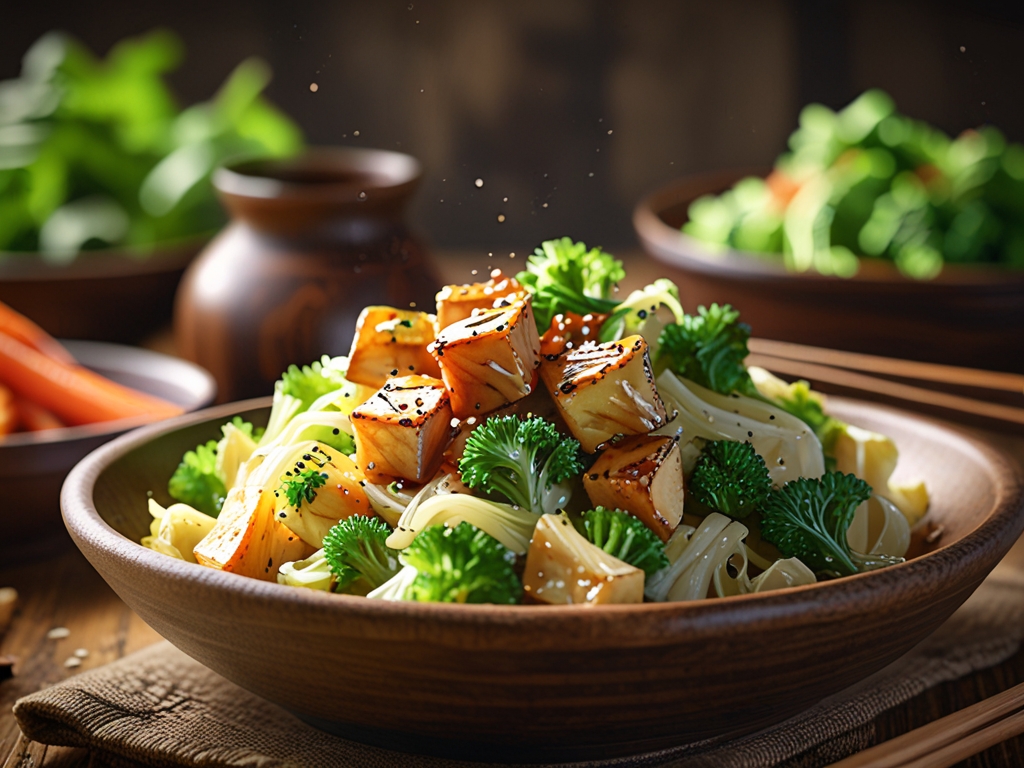
Cabbage Stir Fry with Tofu
Cabbage stir fry with tofu is like the underdog of the low-carb vegetarian world—humble yet packed with flavor and nutrition. If you’re looking for a quick, satisfying meal that not only makes your taste buds dance but also fits perfectly into your healthy eating plan, this dish is a must-try!
Imagine vibrant green cabbage sautéed until tender-crisp, partnered with golden-brown tofu that’s been marinated to perfection. It’s a powerhouse of vitamins and minerals, ideal for anyone working on their weight management journey while staying plant-based. And the best part? Cabbage is incredibly low in carbs—about 2 grams of net carbs per cup—so you can indulge without worrying about those pesky carb counts!
Why Cabbage Stir Fry?
- Quick and Easy: This dish can be whipped up in just 20 minutes, making it perfect for those hectic weeknights when you want something nourishing without spending hours in the kitchen.
- Nutrient Dense: Cabbage is rich in vitamins K and C, along with fiber that aids digestion and keeps you feeling full longer.
- Flavorful Tofu: Tofu isn’t just a meat substitute; when prepared correctly, it’s deliciously versatile! It absorbs flavors beautifully, making every bite delightful.
The Flavor Explosion
This stir fry isn’t just about tossing ingredients into a pan; it’s about creating layers of flavor. Here’s how to make it shine:
- Aromatics Galore: Sauté garlic and ginger at the start to build an aromatic base that will fill your kitchen with mouthwatering scents.
- Savory Sauces: Use soy sauce or tamari for a gluten-free option; add sesame oil for richness and depth. You might even toss in a splash of rice vinegar for brightness!
- Veggie Variations: Feel free to throw in other veggies like bell peppers, carrots, or broccoli; they’ll add color and nutrients while keeping things interesting!
A Simple Recipe to Try
If you’re ready to dive into this deliciousness, here’s an easy recipe that will have you cooking like a pro:
- Start by pressing 14 ounces of firm tofu to remove excess moisture; then cut it into cubes.
- In a bowl, marinate the tofu with soy sauce, garlic powder, and ginger for at least 10 minutes.
- Sauté minced garlic (2 cloves) and ginger (1 inch) in olive oil over medium heat until fragrant.
- Add the marinated tofu cubes and stir-fry until golden brown on all sides.
- Toss in 4 cups of chopped cabbage (about half a medium head) along with any additional veggies you desire. Stir-fry until the cabbage wilts but still has some crunch.
- Douse everything with another splash of soy sauce or tamari before serving hot!
“Cabbage stir fry: proof that simple ingredients can create extraordinary flavors!”
This cabbage stir fry with tofu is not only an excellent addition to your list of low-carb vegetarian recipes but also serves as an inspiration to think outside the box when it comes to meals. So grab that cabbage from your fridge, channel your inner chef—and let’s whip up something delicious together!
Kale and Avocado Salad
Say hello to the Kale and Avocado Salad, a vibrant and nutritious dish that’s not only a feast for the eyes but also a powerhouse of health benefits. If you’re on a quest for low-carb vegetarian recipes that make healthy eating enjoyable, then this salad is calling your name! Its combination of ingredients creates a delightful symphony of flavors and textures that will leave you feeling satisfied and guilt-free.
Kale, the reigning champion of leafy greens, is packed with essential vitamins such as A, C, and K. It’s like nature’s multivitamin! And let’s not forget about avocado—the creamy, dreamy fruit that adds healthy fats into the mix. Together, they create a harmonious balance that fits perfectly within your low-carb plant-based diet.
Why Kale and Avocado?
- Low-Carb Superstar: Kale contains only about 1 gram of net carbs per cup while still providing massive amounts of nutrients.
- Heart-Healthy Fats: Avocados are rich in monounsaturated fats that can help lower bad cholesterol levels—your heart will thank you for it!
- Fiber-Rich: Both kale and avocado are high in fiber, which promotes healthy digestion and keeps you feeling fuller longer—goodbye mid-afternoon snack cravings!
The Flavor Factor
This salad isn’t just about being healthy; it delivers delightful layers of flavor:
- Zesty Dressing: A simple lemon vinaigrette (just olive oil, lemon juice, salt, and pepper) brightens up the flavors while adding a refreshing kick.
- Add Some Crunch: Toss in some toasted nuts or seeds to give your salad an exciting texture. Walnuts or sunflower seeds are excellent options!
- Herb Infusion: Fresh herbs like cilantro or parsley can elevate your salad to new heights with their aromatic flair—consider them your secret weapon!
A Simple Recipe to Try
- Start by massaging 4 cups of chopped kale with a drizzle of olive oil for about 2 minutes until it softens slightly.
- Add in 1 ripe avocado, diced into generous chunks.
- Toss in cherry tomatoes (halved), thinly sliced red onion, and any nuts or seeds you fancy.
- For the dressing: whisk together 2 tablespoons olive oil, juice from one lemon, salt, and pepper to taste; drizzle over the salad.
- Toss everything gently until well combined; serve immediately for maximum freshness!
“Kale and avocado salad: because who said eating healthy had to be boring?”
This kale and avocado salad not only shines as one of your go-to low-carb vegetarian recipes but also inspires creativity in the kitchen. So grab those greens and avocados from your fridge—it’s time to create something fresh, delicious, and incredibly good for you!
Pumpkin Soup with Coconut Milk
Warm, comforting, and irresistibly creamy—pumpkin soup with coconut milk is a delightful addition to your repertoire of low-carb vegetarian recipes! If you’ve been searching for a dish that captures the essence of fall while keeping your carb count in check, look no further. This soup is not only low in carbs but also packed with flavor and nutrients.
Picture this: velvety pumpkin blended to perfection with fragrant spices and rich coconut milk, creating a dish that’s both nourishing and soul-soothing. Pumpkin itself is surprisingly low in carbohydrates—around 8 grams per cup cooked—making it an excellent choice for those following a low-carb plant-based diet.
Why Pumpkin Soup with Coconut Milk?
- Seasonal Sensation: Nothing screams cozy like pumpkin! This soup allows you to embrace the flavors of autumn while sticking to your health goals.
- Coconut Creaminess: The addition of coconut milk brings a luscious texture and subtly sweet flavor that complements the pumpkin beautifully.
- Nutrient-Dense: Pumpkin is loaded with vitamins A and C, fiber, and antioxidants—it’s like a delicious boost for your immune system!
The Flavorful Spices
The magic lies in the spices you choose; they transform simple ingredients into something extraordinary. Here’s how to spice up your soup:
- Cinnamon & Nutmeg: These warm spices not only enhance the flavor but also offer anti-inflammatory benefits—talk about a win-win!
- Ginger Kick: Adding fresh ginger gives your soup an extra zing while promoting digestion—a perfect combo when it’s chilly outside.
- Salt & Pepper Magic: Never underestimate the power of seasoning; they can elevate even the simplest dishes from bland to grand!
A Simple Recipe to Try
- In a large pot, heat 1 tablespoon of olive oil over medium heat. Add 1 chopped onion and sauté until translucent.
- Add 2 cloves of minced garlic and cook for another minute until fragrant.
- Stir in 4 cups of diced pumpkin (fresh or canned) along with 4 cups of vegetable broth; bring to a simmer.
- Add 1 can (13.5 oz) of coconut milk along with 1 teaspoon each of cinnamon, nutmeg, and fresh grated ginger; mix well.
- Simmer for about 20 minutes until everything is tender. Use an immersion blender or regular blender to puree until smooth.
- Taste and adjust seasonings as necessary; serve hot, garnished with pumpkin seeds or a drizzle of coconut cream if desired!
“Pumpkin soup: proof that comfort food can be healthy, delicious, and entirely low-carb!”
This delightful pumpkin soup with coconut milk isn’t just another recipe; it’s an invitation to celebrate flavors that warm your heart while keeping your health in check. So grab those pumpkins from your pantry—it’s time to make some magic happen in the kitchen!
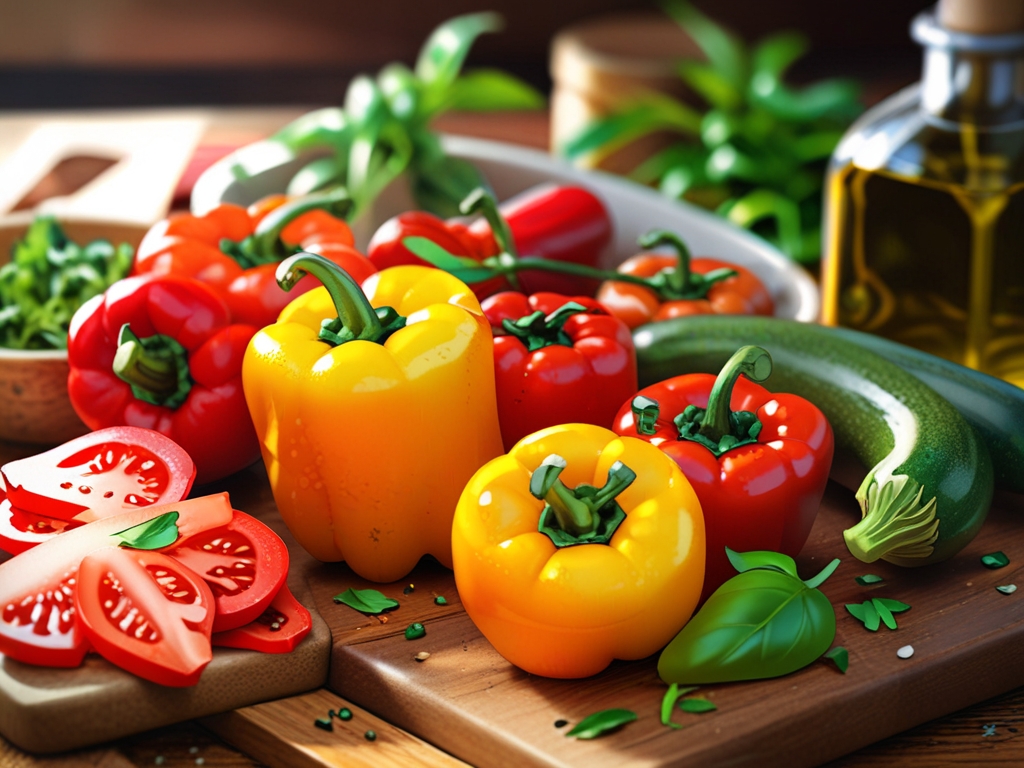
Spinach and Feta Cheese Frittata
If you’re in search of a quick, satisfying meal that’ll make your taste buds dance, look no further than the Spinach and Feta Cheese Frittata! This vibrant dish is a fantastic addition to your collection of low-carb vegetarian recipes, combining the goodness of leafy greens with the rich flavor of feta cheese—all packed into a delightful egg-based dish. It’s like having brunch vibes any time of day!
Imagine fluffy eggs blanketing a bed of sautéed spinach, accented by the tangy creaminess of feta cheese. The best part? This frittata is not only low in carbs but also high in protein—making it an ideal choice for anyone enjoying a keto vegetarian meal. One serving can contain less than 3 grams of net carbs while offering up to 10 grams of protein. Now that’s what we call a win-win!
Why Spinach and Feta Cheese Frittata?
- Nutritional Powerhouse: Spinach is loaded with vitamins A, C, and K, along with essential minerals such as iron and calcium. It’s like giving your body a delicious boost without all the carbs!
- Quick and Easy: With just a handful of ingredients and minimal prep time, this dish can be ready in under 30 minutes. Perfect for those busy mornings when you need something nutritious without spending hours in the kitchen.
- Versatile Delight: You can customize this frittata with other vegetables or spices based on what you have on hand—think tomatoes, bell peppers, or even herbs like dill or parsley.
The Frittata Magic
This dish isn’t just about being quick; it also delivers on flavor:
- Eggs-cellent Base: Eggs are not only an excellent source of high-quality protein but also provide healthy fats that keep you full longer.
- Feta Flavor Bomb: The tangy feta cheese adds richness and depth to your frittata while bringing its signature Mediterranean flair—your taste buds will thank you!
- Sautéed Goodness: Sautéing spinach until wilted enhances its flavor and makes it tender—no one wants crunchy spinach in their frittata!
A Simple Recipe to Try
If you’re feeling inspired to create this delicious frittata, here’s how you can whip it up:
- Preheat your oven to 375°F (190°C).
- Sauté 2 cups of fresh spinach in olive oil over medium heat until wilted; add salt and pepper to taste.
- In a bowl, whisk together 6 eggs, crumbled feta cheese (about 1 cup), and any additional seasonings like garlic powder or herbs.
- Add the sautéed spinach into the egg mixture; stir until well combined.
- Pour everything into an oven-safe skillet; cook over medium heat for about 5 minutes until the edges start to set.
- Transfer the skillet to the oven and bake for another 10-15 minutes until fully set. Let it cool slightly before slicing into wedges!
“Spinach and feta cheese frittata: proof that healthy eating can be both satisfying and downright delicious!”
This frittata isn’t just another recipe; it’s an easy way to enjoy nutritious ingredients while keeping your carb count low. Whether served for breakfast, lunch, or dinner, it’s bound to become one of your go-to meals. So grab those eggs and that fresh spinach—it’s time to get cooking!
Avocado Chocolate Mousse
If you’ve ever thought that dessert and a low-carb vegetarian lifestyle couldn’t coexist prepare to have your mind changed with this Avocado Chocolate Mousse! This creamy delight is not only indulgent but also full of healthy fats and nutrients, making it a guilt-free treat that will satisfy your sweet tooth without sending your carb count soaring.
Imagine rich, velvety chocolate combined with the smoothness of ripe avocados—yes, you read that right! Avocados provide a luxurious texture while keeping the mousse light and airy. And the best part? You won’t even taste the avocado; it’s like a stealthy superfood disguised as dessert!
Why Avocado Chocolate Mousse?
- Low-Carb Marvel: With avocados containing about 2 grams of net carbs per 100 grams, this mousse allows you to indulge without derailing your health goals.
- Heart-Healthy Fats: The monounsaturated fats found in avocados can help lower bad cholesterol levels, making this dessert not just tasty but beneficial for your heart!
- Nutrient-Packed: Avocados are rich in vitamins E, K, and C, plus potassium. They’re like nature’s little treasure troves of goodness!
The Chocolate Factor
No chocolate mousse is complete without cocoa powder! Here’s what makes it so special:
- A Rich Cocoa Kick: Using unsweetened cocoa powder adds depth and intense flavor to your mousse while remaining sugar-free.
- An Antioxidant Boost: Dark chocolate is loaded with antioxidants that can benefit heart health and improve brain function—talk about a win-win!
- Sugar-Free Options: You can sweeten your mousse with natural sweeteners like stevia or erythritol to keep those carbs low while still enjoying sweetness!
A Simple Recipe to Try
- In a blender or food processor, combine 2 ripe avocados (peeled and pitted), 1/4 cup unsweetened cocoa powder, 1/4 cup of pure maple syrup or another low-carb sweetener (adjust based on desired sweetness), and a splash of vanilla extract.
- Blend until smooth and creamy—scrape down the sides as needed to ensure everything is well combined.
- Taste the mixture; adjust sweetness if necessary before blending again for an extra touch of perfection.
- Transfer the mousse into serving dishes or glasses; chill in the refrigerator for at least 30 minutes before serving to allow it to firm up slightly.
- If desired, garnish with fresh berries or toasted nuts for an added layer of flavor and crunch!
“Avocado chocolate mousse: where indulgence meets health—now that’s something we can all get behind!”
This luscious mousse isn’t just another addition to your collection of sugar-free vegetarian recipes—it’s an experience that showcases how deliciously healthy eating can be. So grab those avocados and let’s whip up some magic in the kitchen. Your taste buds will thank you!
There you have it! Ten delightful ways to enjoy low-carb vegetarian recipes while maintaining balance in your diet. Each dish is thoughtfully crafted to ensure you never have to sacrifice taste for health. So go ahead, try them all, and let your culinary journey begin!
Leave a Reply